
Key facts: Industrial smoke
The setting
Why industrial smoke reaches homes
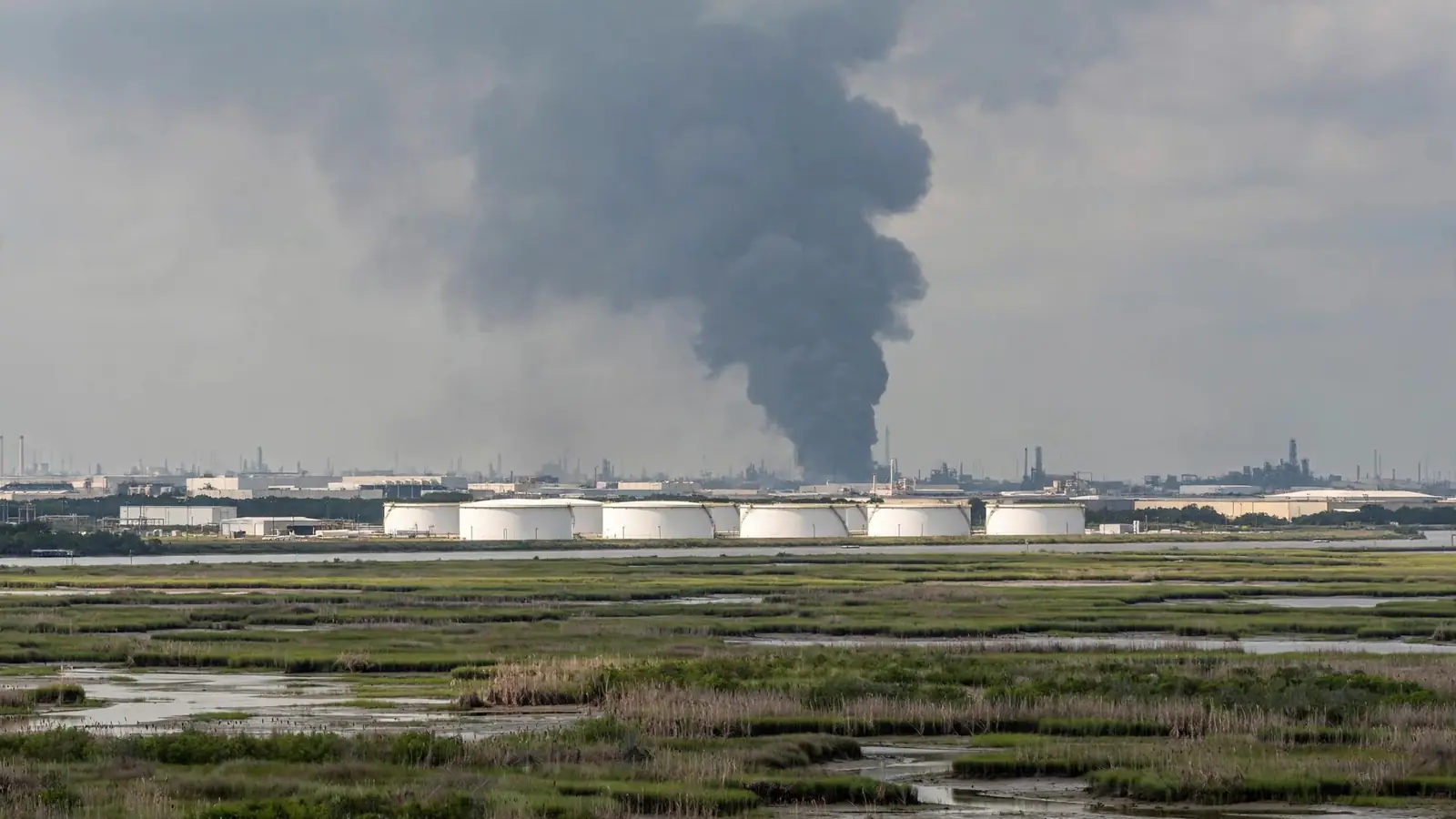
The Ship Channel runs from the Port of Houston toward Galveston Bay, past refineries, storage terminals and chemical plants. Communities such as Deer Park, Pasadena, La Porte, Channelview and parts of east Houston sit close by. When fires happen at these facilities, as with the large tank fire in Deer Park in 2019, smoke plumes can travel across the region depending on wind.
Industrial smoke can carry soot, unburned hydrocarbons and other chemicals. Officials monitor air quality and may advise residents to shelter in place, avoid outdoor activity or, rarely, evacuate.
During the event
Sheltering in place
Sheltering in place keeps you away from the heaviest outdoor smoke.
- 1
Go indoors
Bring children and pets inside.
- 2
Close windows and doors
Shut fireplace dampers too.
- 3
Set the AC to recirculate
Or turn off systems that pull in outside air.
- 4
Run air cleaners
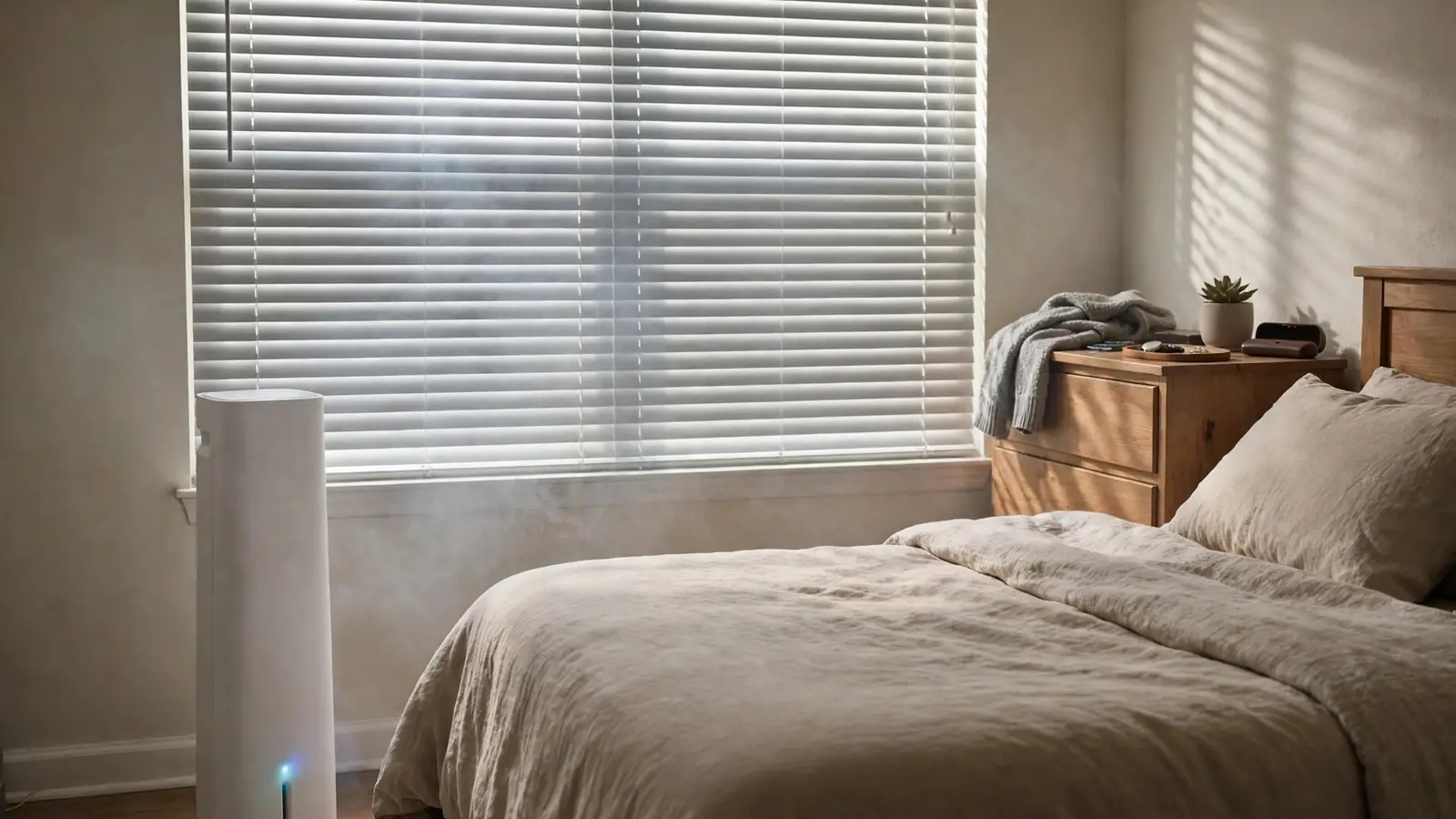
A portable HEPA cleaner in a closed room helps.
- 5
Follow official updates
Local alerts, emergency management and news.
- 6
Do not leave unless told to
Driving through a plume can be worse than staying in.
Afterwards
Cleaning up after the smoke clears
Industrial smoke usually leaves a lighter, more even film than a house fire. Start by replacing the HVAC filter, which will have caught much of the residue. Wipe window sills, tracks and outdoor furniture with gloves. Launder curtains, bedding and clothing that smell. Vacuum with a HEPA vacuum. Follow any official guidance about cleaning outdoor surfaces, gardens and play equipment, as some advice may depend on what burned.
If odor persists or you see residue on ceilings and in vents, the ducts and coil may need cleaning. Keep records and photos, especially if officials or the facility set up a claims process for affected residents.
Cleanup
Typical cleanup after outside smoke
| Item | Usual step |
|---|---|
| AC filter | Replace |
| Window sills and tracks | Wipe with gloves |
| Curtains and bedding | Launder |
| Floors and furniture | HEPA vacuum |
| Ducts and coil | Inspect if odor persists |
| Garden produce | Follow official advice |
Claims
Claims after industrial incidents
After some large industrial incidents, the company involved has set up a claims process for nearby residents. Your homeowners policy may also cover smoke damage from an outside source. Document the dates, photos of residue, receipts for cleaning and any health care. Ask your insurer before work starts what they will need.
Alerts
Getting alerts
Harris County and the City of Houston use emergency alert systems to notify residents of shelter-in-place orders and other hazards. Sign up for local alerts, keep a phone charged, and follow official emergency management channels and local news during an incident. Wireless emergency alerts may also be sent to phones in affected areas. Social media rumours spread fast during industrial incidents, so rely on official sources.
Clean room
Making a clean-air room
A single clean-air room helps during long smoke events [3].
- 1
Choose an interior room
Few windows and doors make it easier to seal.
- 2
Close it up
Shut windows and doors; use towels at gaps.
- 3
Run a HEPA air cleaner
Sized for the room.
- 4
Keep it cool
Use a fan or the AC on recirculate.
- 5
Avoid indoor smoke sources
No candles, frying or vacuuming without HEPA.
Daily life
Schools, work and outdoor plans
During major industrial incidents, schools and businesses near the area may close or keep people indoors. Outdoor sports, work and exercise are often postponed. Follow instructions from schools and employers, and avoid outdoor exercise when air quality is poor, since heavier breathing draws more smoke into the lungs.
Outdoors
Pets and gardens
Bring pets inside during smoke events and wipe their paws and fur if they have been out. Cover outdoor water bowls. For vegetable gardens, follow official guidance about whether produce should be washed or discarded after an industrial fire, as advice depends on what burned and how much residue fell.
Health
Signs to seek medical care
- Trouble breathingCall 911 for severe symptoms.
- Chest pain or pressureSeek emergency care.
- Persistent coughing or wheezingContact a doctor.
- Dizziness or headacheMove to cleaner air and seek advice.
- Worsening asthmaFollow your asthma action plan.
Leaky homes
Protecting indoor air in older homes
Older Houston homes, especially those on piers or with original windows, let in more outside air than newer, tighter homes. During a smoke event, outside air enters through gaps under doors, around windows, through floor openings and through attic vents. Towels at door bottoms, closing interior doors and running a HEPA air cleaner in one room can help. Window air conditioning units should be set to recirculate if they have that option, with the fresh-air vent closed.
After the event, these homes may have more residue on window sills, floors and fabrics, and odor can linger in soft furnishings. Cleaning follows the same steps, with extra attention to the rooms closest to gaps.
Vehicles
Cars and outdoor items
Cars parked outside during a smoke event can collect a film of residue. Wash vehicles with water and mild car soap, and replace the cabin air filter if the car was driven through smoke. Outdoor cushions, umbrellas and play equipment can be wiped or washed. Wear gloves, and avoid pressure washing residue into soil or drains unless officials say it is safe.
FAQ
Industrial smoke questions
What does shelter in place mean?
Go indoors, close windows and doors, turn off outside air intake and wait for official updates.
Should I run my AC during a smoke event?
Set it to recirculate if possible, and replace the filter afterwards.
Is industrial smoke more harmful than house fire smoke?
It can carry different chemicals. Follow official health advice.
How do I clean residue off outdoor furniture?
Wear gloves and wipe with water and mild detergent, following any official guidance.
Will insurance cover smoke from a plant fire?
Many homeowners policies cover smoke damage. Ask your insurer.
Do I need professional cleaning?
Usually not for light outside smoke, but yes if odor or residue persists.
How do I get emergency alerts in Houston?
Sign up for city and county alerts and keep wireless emergency alerts enabled on your phone.
Should my children play outside during a smoke event?
No. Keep them indoors until officials say air quality has improved.
Do older homes let in more smoke?
Usually, through gaps around windows, doors and floors. Seal gaps temporarily and run an air cleaner.
Should I wash my car after an industrial smoke event?
Yes, with mild car soap, and consider replacing the cabin air filter.