
Key facts: Third Ward
- The Third Ward is one of Houston's original six wards [1].
- Emancipation Park was purchased in 1872 by formerly enslaved people to host Juneteenth celebrations [2].
- Texas Southern University and the University of Houston are both in or next to the Third Ward.
- Many older homes are wood-frame houses on pier-and-beam foundations, including shotgun-style houses.
- The covered ZIP code for the Third Ward on this site is 77004.
Coverage
Third Ward ZIP codes on this line
Calls from these Third Ward ZIP codes can reach an independent restoration contractor who works there.
- 77004The Third Ward, the Museum District edge, Texas Southern University and the University of Houston area.
About the Third Ward
A historic ward with deep roots
Houston was divided into political wards in the nineteenth century, and the Third Ward, southeast of downtown, became one of the city's most important African American communities. In 1872, a group of formerly enslaved people led by Reverend Jack Yates and others joined together to buy land for Emancipation Park, where Juneteenth has been celebrated ever since. Churches, businesses, schools and, later, Texas Southern University anchored the community.
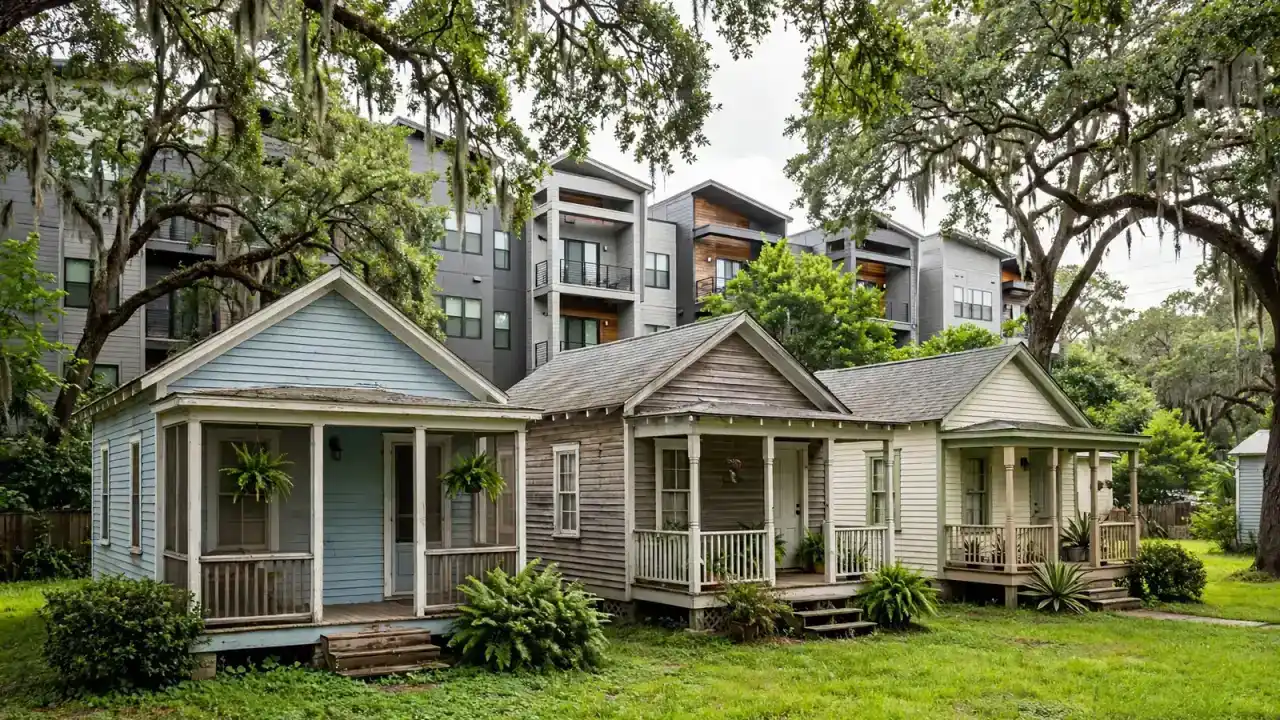
The housing reflects that long history: small wood-frame houses and shotgun-style homes built in the early and mid-twentieth century, bungalows, duplexes, brick homes, apartment buildings and, increasingly, new two- and three-story townhomes. Project Row Houses, an arts organization founded in 1993, restored a row of shotgun houses as studios and community spaces.
Construction
Third Ward homes and fire
Shotgun-style houses
Narrow wood homes with rooms in a line; fire and smoke pass straight through.
Wood bungalows on piers
Crawlspaces below collect smoke and water.
Duplexes and small apartments
Shared walls and attics.
Brick homes
Mid-century houses on slabs or piers.
New townhomes
Tall, attached, with stairwells and shared walls.
Student rentals
Houses and apartments near the universities.
Shotgun houses
How fire moves through a shotgun house
A shotgun house has rooms arranged one behind another, usually with doors lined up from front to back. That layout was good for airflow before air conditioning, but it also lets smoke and heat move straight through the house. Many have small attics, wood walls and floors, and sit on piers. A fire in the back kitchen can fill the whole house with smoke in minutes.
Restoration in these homes often includes every room, the small attic, the crawlspace beneath and the exterior wood siding. Because the houses are small, contents are usually packed out so cleaning can reach every surface.
Materials
Third Ward materials after a fire
| Material | Usual outcome | Notes |
|---|---|---|
| Wood siding | Cleaned or replaced to match | Older paint may contain lead |
| Wood floors | Dried and refinished | Crawlspace drying needed |
| Interior wood walls | Cleaned and sealed | Hold odor strongly |
| Small attic | Insulation replaced, framing cleaned | Smoke settles here |
| Windows | Repaired or replaced | Wood sashes often repairable |
| Porches | Cleaned, repaired, repainted | Part of the home's character |
Drying
Drying raised homes in the Third Ward
Firefighting water on a raised wood house runs through floorboards into the crawlspace, soaking joists, subfloor and any insulation below. In Houston's humidity, a wet crawlspace keeps the house damp and invites mold. Drying includes extracting water, removing wet insulation, placing equipment under the house and drying wood floors slowly to limit cupping. Moisture readings show when the work is done.
Checklist
First steps after a Third Ward house fire
- 1
Get everyone out and accounted for
Including pets.
- 2
Wait for firefighters to clear the house
Wood homes can hide smoldering fires.
- 3
Open an insurance claim
Homeowners or renters policy.
- 4
Secure openings
Board windows and doors, tarp the roof.
- 5
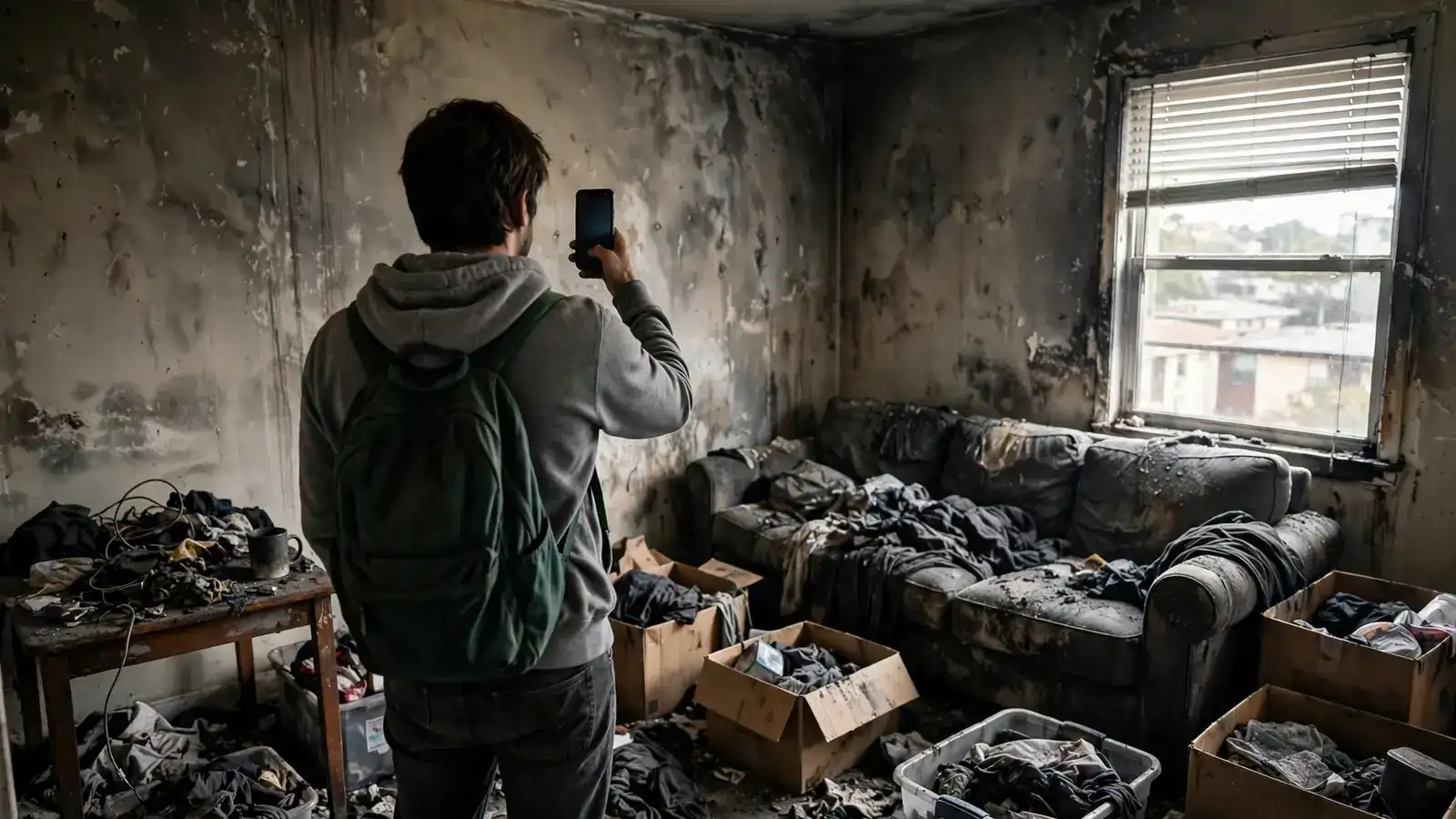
Photograph inside, outside and underneath
Including the crawlspace if safe to look.
- 6
Start drying
Including the crawlspace.
New builds
New townhome rows in the ward
The Third Ward has seen a wave of new townhomes in recent years. These are typically three stories with a garage on the ground floor, attached in rows. Smoke from a ground-floor or kitchen fire rises up the stairwell to the top floor. Shared walls let smoke and water cross into neighboring units. Restoration starts at the top floor and includes stairwells and each AC zone. HOAs may manage roofs and exteriors.
Renters
Students and renters near the universities
Many students and young professionals rent houses, rooms and apartments near Texas Southern University and the University of Houston. After a fire, renters should report damage to the landlord in writing, photograph their belongings and contact their renters insurer, or a parent's homeowners policy if it covers them. Students should also tell their university, which may offer emergency housing or support.
Landlords are generally responsible for the building and its cleaning; tenants for their own belongings. Texas law addresses leases when a unit becomes unusable after a fire.
- Report damage in writing
- Photograph belongings
- Contact your insurer
- Tell your university
- Keep receipts
Causes
Common fire starters in Third Ward homes
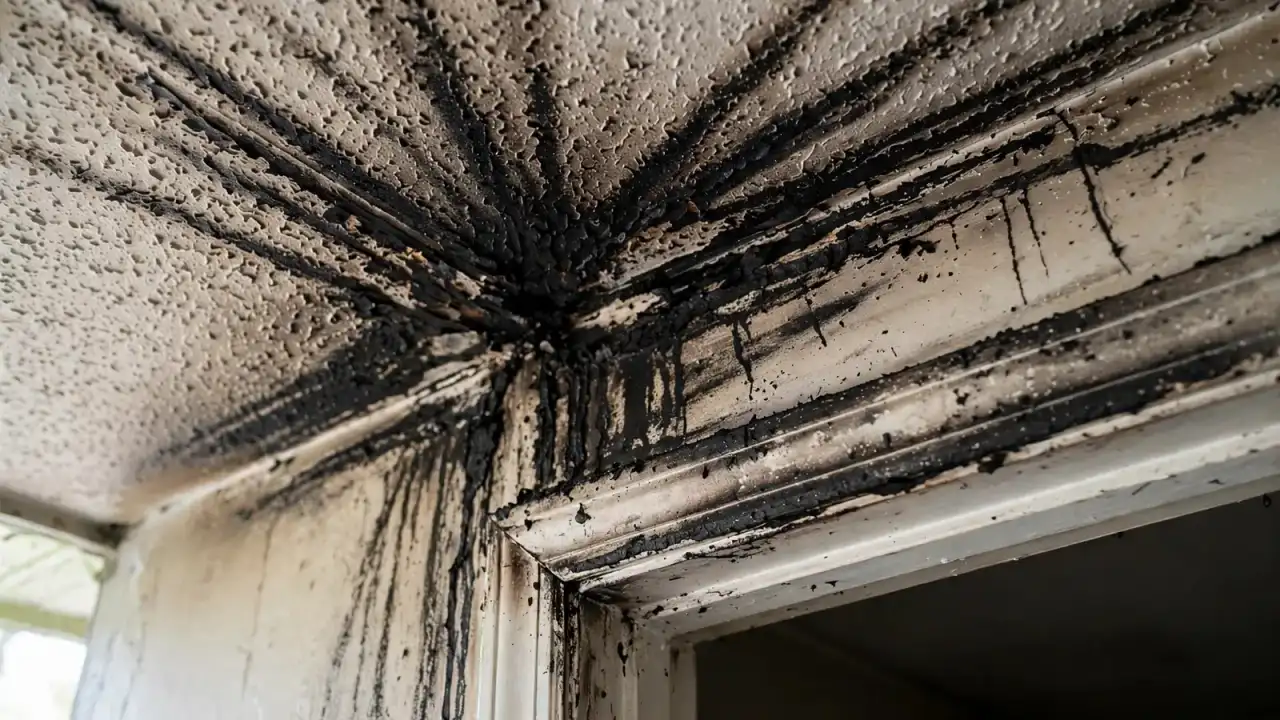
In older wood homes, common fire causes include outdated or overloaded wiring, space heaters in drafty rooms, extension cords used where outlets are few, cooking fires and candles. Vacant or neglected houses nearby can also catch fire and spread flames or smoke to occupied homes on close lots. Newer townhomes see more fires from cooking, dryer vents and lithium-ion batteries charged in garages.
Prevention
Fire safety for older wood homes
Working smoke alarms
In every bedroom, outside sleeping areas and on each level.
Electrical check
Have older wiring and panels inspected.
Space heater clearance
Three feet from anything that can burn.
No overloaded cords
Add outlets rather than chaining power strips.
Clear porches and crawlspace openings
Keep debris and stored items away.
Fire extinguisher
In the kitchen, away from the stove.
Neighboring risk
Vacant houses and close lots
Some Third Ward blocks include vacant or abandoned houses alongside occupied homes. Fires in vacant buildings can spread to neighbors on narrow lots, and smoke can enter nearby homes through windows and vents. If you see signs of fire risk at a vacant property, such as people sheltering inside with open flames, report it to the city. If a nearby vacant house burns, check your siding, windows and attic, photograph any damage and contact your insurer.
Ownership
Heirs' property and older ownership
Many Third Ward homes have been in families for generations, sometimes passed down without updated titles, known as heirs' property. After a fire, unclear ownership can complicate insurance claims, permits and repairs. If the title is not in your name, legal aid organizations in Houston can help families sort out ownership. Gather any deeds, wills, tax records and insurance policies you have.
Summary
Third Ward restoration at a glance
| Situation | What to know |
|---|---|
| Shotgun or wood bungalow | Whole-house smoke; crawlspace drying |
| Older wiring | Electrician inspection before power |
| Lead paint | Test before scraping or sanding |
| Townhome | Top floor first; shared walls |
| Rental | Landlord handles building; tenant handles belongings |
| Family-owned for generations | Check title before claims and permits |
Community
Churches and community institutions
Churches have been the backbone of the Third Ward for more than a century, and many still help members and neighbors after fires with meals, clothing, temporary housing and practical support. Community organizations, neighborhood associations and Emancipation Park's programs also connect residents with resources. The American Red Cross helps with immediate needs after a home fire. Let your church and neighbors know if your family is displaced.
Exteriors
Older porches and exterior wood
Front porches are central to Third Ward homes, with wood floors, columns, railings and steps. Heat and smoke from a fire stain and weaken these elements, and firefighters may break windows or force doors at the front. Restoration usually includes cleaning soot from siding and porch ceilings, replacing damaged boards with matching profiles, repairing steps and railings and repainting. Older paint may contain lead, so lead-safe practices apply.
Crawlspaces
Drying a crawlspace step by step
Under-floor drying is often the slowest part of the job in raised homes.
- 1
Check access and safety
Look for standing water and electrical hazards.
- 2
Remove standing water
Pumps or extractors.
- 3
Pull wet insulation
It holds water and odor.
- 4
Place dehumidifiers below the floor
Dehumidifiers and air movers under the house.
- 5
Measure daily
Joists and subfloor until they reach dry goals.
- 6
Check the floor above
Slow drying limits cupping.
Odor
Smoke odor in small homes
Small wood homes fill with smoke quickly, and the odor settles into wood walls, floors, attic framing and every soft item. Cleaning reaches every surface; then framing that held smoke is sealed, insulation replaced and remaining odor treated. In homes with interior wood walls rather than drywall, sealing primer is often used on the wood after cleaning, before repainting. Soft furnishings are cleaned or replaced, and clothing goes to professional smoke laundering.
Choosing help
Questions to ask a contractor in the Third Ward
- Have you worked on older wood homes?Shotgun houses and bungalows need experience.
- What is your plan for the crawlspace?Crawlspace work is essential.
- Are your crews trained in lead-safe work?Required for disturbing paint in pre-1978 homes above set limits.
- Can you match original siding and trim?Keeps the home's character.
- Will you photograph everything?Records help with claims and title questions.
Neighborhood life
Emancipation Park, Juneteenth and the neighborhood today
Emancipation Park, renovated and reopened in 2017, remains the heart of Third Ward celebrations, especially Juneteenth. Around it, the neighborhood is changing quickly, with new townhomes and rising property values alongside long-time residents and family homes. That mix affects fire restoration: some owners restore older homes carefully to keep them in the family, while others weigh rebuilding. Either way, documenting the home before work begins and understanding your insurance options helps.
Drainage
Flooding and drainage
Parts of the Third Ward near Brays Bayou and in low-lying blocks have flooded in heavy storms. Older drainage and raised homes with open crawlspaces can let water collect under houses. After a fire, extra water from firefighting and from storms can keep crawlspaces damp. Make sure gutters and downspouts work, that water drains away from piers and that temporary covers shed rain. Tell your contractor about any past flooding.
Comparison
Shotgun house, bungalow or townhome
| Aspect | Shotgun or bungalow | New townhome |
|---|---|---|
| Foundation | Piers and crawlspace | Slab |
| Smoke path | Straight through aligned rooms | Up the stairwell |
| Walls | Wood or older drywall | Modern drywall |
| AC | Window units or one system | Often a system per floor |
| Older hazards | Lead paint, older wiring | Unlikely |
| Neighbors | Close lots | Shared walls |
Heating and cooling
Window units and space heaters
Many older Third Ward homes rely on window air conditioners and space heaters rather than central systems. Window units that ran during a fire pull smoke inside and hold it in their coils and filters; they are cleaned or replaced. Space heaters are a common cause of winter fires in older homes. Keep them three feet from anything that can burn, plug them directly into wall outlets and turn them off when you leave the room or go to sleep.
Older owners
Older owners and fixed incomes
Many long-time Third Ward homeowners are older adults who have lived in their homes for decades. After a fire, they may need help navigating insurance, finding temporary housing near family and church, and understanding contractor agreements. Family members, church groups and legal aid organizations can help. Ask for every agreement in writing, read it before signing, and never pay large sums upfront to someone who knocks on the door after a fire. Report suspected scams to local authorities.
Caution
Storm chasers and door knockers
After fires and storms, people sometimes go door to door offering quick repairs. Some are legitimate; others are not. Take time to check any contractor: ask for references, proof of insurance and a written scope of work, and check electricians' licences with the Texas Department of Licensing and Regulation. The Texas Department of Insurance warns consumers about contractor fraud after disasters. You are free to choose who works on your home.
Townhomes
Three-story townhome after a fire
New townhomes need a top-down plan.
- 1
Start at the top floor
Smoke collects highest.
- 2
Wash down every flight of stairs
Walls and ceilings on every level.
- 3
Check each AC system
Often one per floor or zone.
- 4
Dry ceilings below
Water from upper floors comes down.
- 5
Coordinate with the HOA
For roofs and exteriors.
Student housing
Students living in older rentals
Some students rent rooms in older houses near the universities, where several unrelated tenants share a kitchen and bathroom. In a fire, each tenant's belongings are their own responsibility, while the landlord handles the building. Students may be covered under a parent's homeowners policy for belongings away from home, up to a limit; check before buying a separate renters policy. Universities can often help with emergency housing.
Family homes
Keeping the home in the family
For many families, a Third Ward house is more than a building; it holds generations of memories. When a fire damages it, the urge to restore rather than sell or rebuild is strong. Restoration contractors can tell you what can be repaired, what must be replaced and how to keep original features where possible. Combine that with advice from your insurer and, if needed, legal aid on title questions, so you can make a decision that fits your family.
Summary
Third Ward after a fire: the short version
Get out, wait for the all-clear, and report to your insurer or landlord. Secure the house and dry it, including the crawlspace under raised homes. Have an electrician check older wiring before power returns, and test older paint before scraping. In townhomes, start at the top floor. Document everything, beware of door-to-door offers, and lean on your church, neighbors and community groups.
Kitchens
Kitchens at the back of the house
In shotgun houses and many small bungalows, the kitchen sits at the back, often in a room added or rebuilt over the years with its own roof line. Cooking fires there can climb into the small attic or the space between the original roof and the addition. Restorers check where the addition joins the main house, since smoke and fire can travel through that seam. Cabinets, appliances and any older flooring in the kitchen are assessed, and older vinyl tile is tested before removal.
Checks
Signs the crawlspace still needs work
- Musty smell through floor registersMoisture or mold below.
- Soft spots in wood floorsSubfloor still wet or damaged.
- Smoke odor near the floorResidue on joists or insulation below.
- Standing water under the houseDrainage or drying incomplete.
FAQ
Third Ward fire damage questions
Why did smoke fill my whole shotgun house so fast?
The rooms are in a line with doors aligned, so smoke moves straight through.
Does my raised house need drying underneath?
Usually. Water runs through the floor into the crawlspace.
Can wood siding be cleaned after a fire?
Often, though heat-damaged boards are replaced to match.
Is my older wiring safe after the fire?
Have a licensed electrician inspect it before power returns.
Who handles damage in a rented house?
The landlord handles the building; tenants handle their belongings.
Can students get help after a fire?
Universities often have emergency housing or support. Tell them what happened.
Do townhomes need special cleaning?
Start at the top floor and include stairwells and each AC zone.
Should I test for lead paint in an older home?
Yes, before scraping or sanding, especially with children at home.
What is heirs' property?
A home passed down without an updated title. It can complicate insurance and permits; legal aid can help.
Can a fire in a vacant house damage mine?
Yes, on close lots. Check your siding, windows and attic, and contact your insurer.
Can my porch be restored after a fire?
Usually, by cleaning, replacing damaged boards to match and repainting with lead-safe practices.
Who helps families right after a fire?
The American Red Cross, churches and community groups often help with immediate needs.
Can window AC units be cleaned after smoke?
Sometimes, but units that ran during the fire are often replaced.
How far should a space heater be from furniture?
At least three feet from anything that can burn.
How can I spot a contractor scam after a fire?
Be wary of large upfront payments, pressure to sign quickly and no written scope. Check references and insurance.
Are my student belongings covered by my parents' policy?
Sometimes, up to a limit. Check the policy.
Can an old family home be restored after a serious fire?
Often, depending on structural damage. Ask the contractor what can be repaired before deciding.
Can older vinyl kitchen tile contain asbestos?
Some older tiles and adhesives do. Test before removal.
Should I tell my church if my family is displaced?
Yes. Many Third Ward churches help members and neighbors with meals, clothing and housing leads.
Who checks a vacant house fire next door?
The fire department handles the fire; check your own home and contact your insurer about any damage.
Is the Third Ward covered by this call line?
Yes, ZIP code 77004 is covered. Calls reach an independent contractor who works in the area.