
Key facts: Alief
- Alief began as a small farming community and was renamed in the 1890s after its first postmistress, Alief Ozelda Magee [1].
- Rapid growth in the 1970s and 1980s brought subdivisions and many apartment complexes.
- Alief is among the most culturally varied communities anywhere in the country.
- Fires in garden apartments often affect neighboring units through shared attics and walls.
- The covered ZIP codes for Alief on this site are 77072, 77082 and 77099.
Coverage
Alief ZIP codes on this line
Calls from these Alief ZIP codes can reach an independent restoration contractor who works there.
- 77072Central Alief between Bellaire Boulevard and Beechnut, with many apartment complexes.
- 77099Southern Alief toward Bissonnet and the Fort Bend County line.
- 77082Western areas near Westheimer, Eldridge and the Westchase edge.
About Alief
A fast-growing, global community
Alief started as a small settlement on the prairie west of Houston. It was renamed in the 1890s after Alief Ozelda Magee, the community's first postmistress. For most of the twentieth century it stayed rural, but in the 1970s and 1980s Houston's oil boom brought rapid suburban growth: subdivisions of brick homes, shopping centers along Bellaire Boulevard and dozens of apartment complexes. Much of Alief was annexd by Houston in the late 1970s.
Today Alief is home to families from Vietnam, China, Nigeria, Mexico, Central America, South Asia and many other places. More than a hundred languages are spoken in the homes of Alief ISD students. Bellaire Boulevard's restaurants and shops, part of Houston's Asiatown area, sit close to residential streets.
Construction
Alief homes and fire
1970s and 1980s brick homes
Single- and two-story houses on slabs with attics over the living areas.
Garden apartments
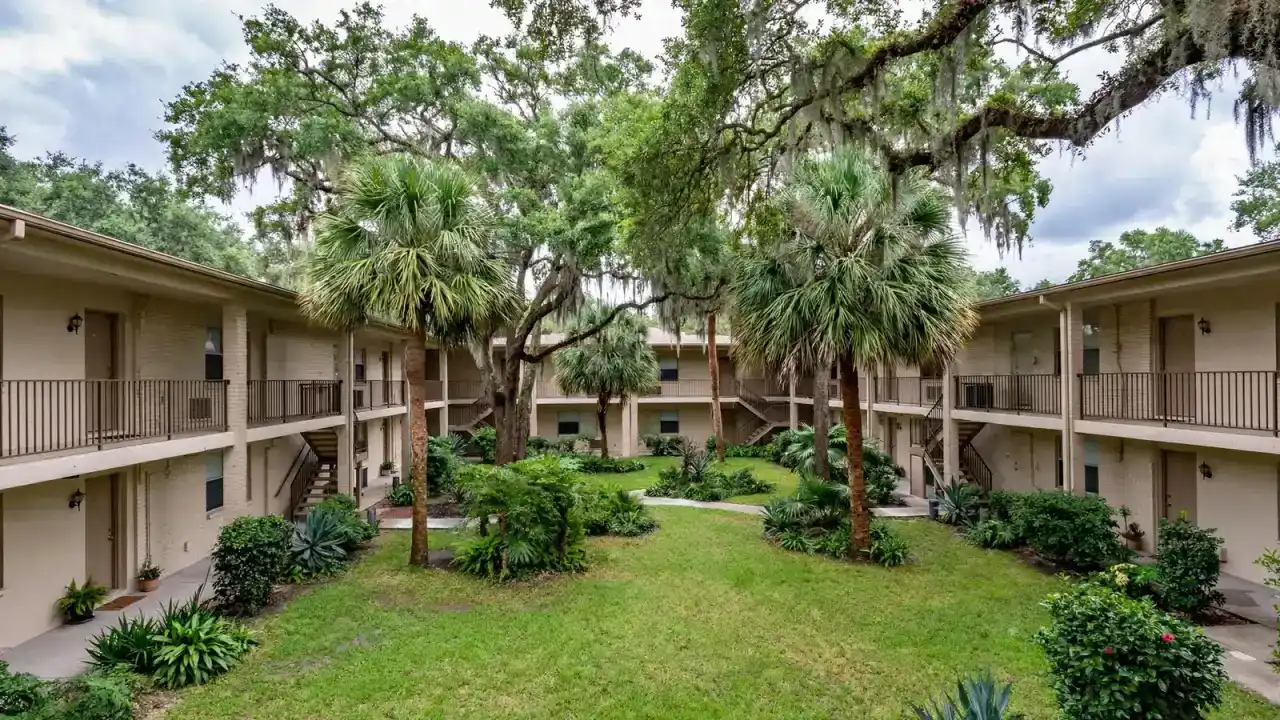
Two- and three-story buildings with shared attics, breezeways and stairs.
Townhomes and condos
Shared walls and association-managed exteriors.
Duplexes
Two units under one roof.
Homes near commercial strips
Restaurants and shops close by.
Homes that flooded before
Some areas flooded during Harvey and other storms.
Apartments
Apartment fires and neighboring units
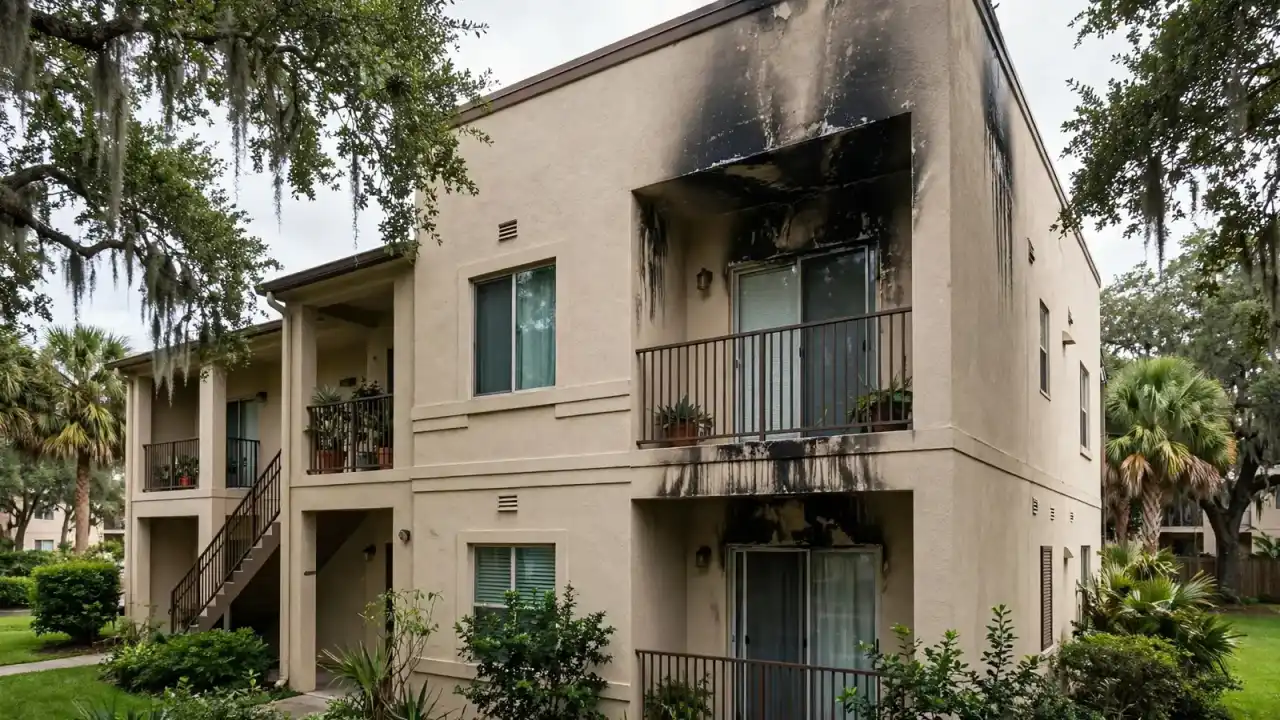
Garden apartment buildings in Alief typically have units on two or three floors sharing an attic, with open breezeways and exterior stairs. A fire in one unit can spread into the attic and across the building, and even a contained fire sends smoke into neighboring units through shared walls, plumbing chases and the attic. Firefighting water from upper floors runs down into the units below.
After an apartment fire, many households are displaced at once. The property owner usually handles the building, while each household deals with its own belongings through renters insurance, if they have it. Residents in units that look undamaged should still check for smoke film on ceilings, odor in closets and water stains, and report them in writing.
Roles
Who handles what after an apartment fire
| Item | Usually handled by |
|---|---|
| Building structure, roof, walls | Property owner and its insurer |
| Cleaning unit walls and ceilings | Property owner |
| Carpet and fixtures supplied with the unit | Property owner |
| Tenant furniture, clothing, electronics | Tenant and renters insurance |
| Temporary housing | Renters insurance, if covered; Red Cross for immediate needs |
| Shared AC systems | Property owner |
Families
Multigenerational homes
Many Alief households include grandparents, parents and children under one roof, sometimes with extended family nearby. After a fire, the needs are broader: medications for older relatives, school for children, work schedules for adults, and sometimes religious items and family heirlooms that matter deeply. Planning temporary housing that keeps the family together and close to school and work helps. Keep a list of medicines and doctors' details, and ask your insurer what additional living expenses cover.
Checklist
First steps after an Alief house or apartment fire
- 1
Make sure everyone is out
Count every family member and pet.
- 2
Wait for firefighters' release
Do not re-enter until told.
- 3
Contact your insurer
Homeowners or renters policy.
- 4
Tell the landlord in writing
If you rent; keep a copy.
- 5
Photograph everything
Rooms, belongings, ceilings, closets.
- 6
Ask for help
The Red Cross helps with immediate needs.
Language
Language and understanding your claim
With so many languages spoken in Alief, insurance paperwork, leases and contractor agreements can be hard to follow. It is fine to ask for explanations, to bring a trusted family member or friend who reads English well to meetings, and to ask for documents in writing so you can review them. The Texas Department of Insurance has a consumer help line and information on filing claims. [5] Do not sign anything you do not understand, and keep copies of everything.
Drying
Drying slab homes in Alief
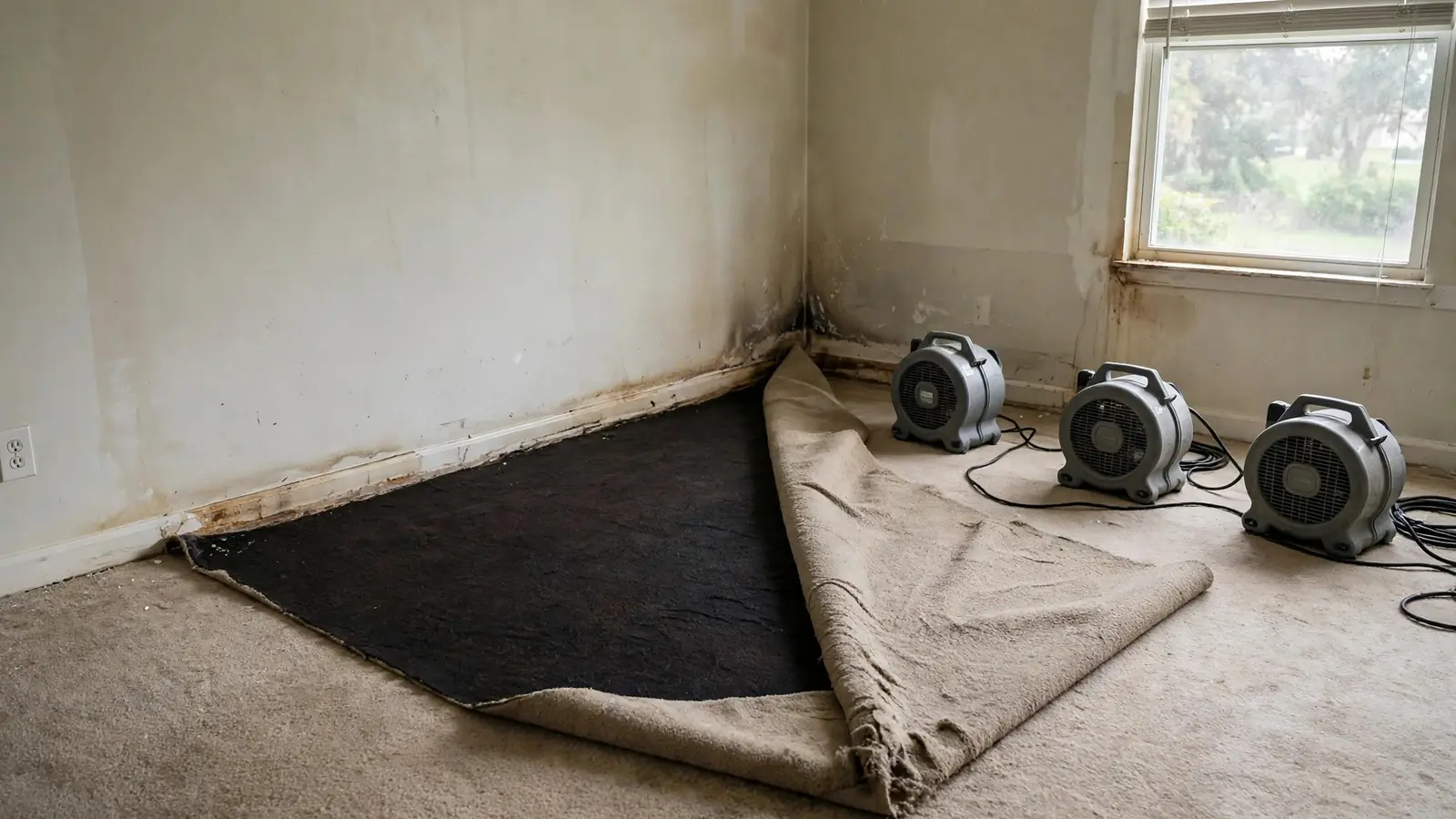
Most Alief houses sit on concrete slabs. Firefighting water spreads under carpet, laminate and tile and wicks up drywall. Drying begins with extraction, moisture mapping and dehumidifiers, and soaked pad and lower drywall are often removed. Houston's humidity means windows are usually kept closed while equipment runs. Some Alief streets near bayous flooded during Harvey, so earlier flood repairs may affect how materials behave.
Commercial neighbors
Restaurants and shops nearby
Bellaire Boulevard and other Alief corridors have many restaurants, bakeries and markets close to homes and apartments. A commercial kitchen fire can send grease-heavy smoke into nearby homes through vents and gaps.
If a fire happens at a nearby business, check your attic, filters and vents, wipe a high surface to see if residue reached your home, and photograph anything you find for your insurer.
- Check filters and vents
- Wipe a high surface
- Photograph residue
- Tell your insurer
- Air out on clear days
Causes
Common fire starters in Alief homes and apartments
Cooking is the leading cause of home fires, and in busy multigenerational households the kitchen is in use for much of the day. Deep-frying, woks and large pots on high heat can flare quickly. Other common causes include overloaded power strips, space heaters, candles and incense at home altars, dryer vents, and lithium-ion batteries from phones, scooters and e-bikes charged overnight. In apartments, a fire on one balcony grill or in one kitchen can affect the whole building.
Kitchens
Kitchen fire safety for busy households
Stay with the stove
Especially when frying or cooking on high heat.
Keep a lid nearby
Slide it over a pan fire and turn off the heat.
Never use water on oil
It spreads burning oil.
Keep children back
A clear zone around the stove.
Clean range hoods
Grease buildup catches fire.
Have a working smoke alarm
Test it monthly.
Open flames
Altars, incense and candles
Many Alief homes keep a family or religious altar with candles or incense. Place them on stable, non-flammable surfaces, away from curtains, paper decorations and shelves above, and never leave them burning when no one is home or while sleeping. Electric candles are a safer option for long periods. If a small altar fire happens, smoke and soot can still reach other rooms, and religious items deserve careful, respectful cleaning.
Older buildings
Older apartment complexes
Many Alief apartment complexes date from the late 1970s and early 1980s. Buildings of that age may have original wiring in parts, older AC units, and sometimes materials that contain asbestos, such as some textured ceilings and floor tiles. When fire damage requires demolition, property owners should test suspect materials first. Tenants should not disturb damaged ceilings or flooring themselves.
Summary
Alief restoration at a glance
| Situation | What to know |
|---|---|
| House fire in a slab home | Attic smoke, slab drying, AC check |
| Fire in your apartment | Owner cleans unit; renters insurance covers belongings |
| Fire next door | Check walls, closets and ceilings; report in writing |
| Fire at a nearby business | Check filters, vents and attic |
| Older building | Test materials before demolition |
Support
Schools and support
Alief ISD schools serve many families who have faced displacement after fires and floods. Let your child's school know what happened; counselors and family support staff can often help with supplies, uniforms and referrals. Churches, temples, mosques and community organizations across Alief also help families after fires. The American Red Cross offers immediate help such as temporary lodging and essentials.
Escape routes
Breezeways, stairs and exits
In garden apartments, exterior stairs and breezeways are the main escape routes. Keep them clear of bikes, grills, storage and furniture. Know two ways out of your unit where possible, and make sure smoke alarms work. If a fire starts, close the door behind you as you leave to slow the spread of smoke and fire into the breezeway. After a fire, stairs and breezeways may be damaged or slippery; follow management's directions about safe routes.
Inventory
Documenting belongings for renters insurance
A clear record helps your claim and reduces disputes.
- 1
Record each room on video
Photos or video of everything.
- 2
Open cabinets and closets
Smoke gets inside.
- 3
Write down what each thing is
What it is, how old, where it came from.
- 4
Hold on to ruined belongings
Until your insurer agrees they can go.
- 5
Save receipts
For hotels, food, clothing and replacements.
Houses
Garages and two-story homes
Alief's single-family homes include many two-story brick houses from the late 1970s and 1980s. Smoke from a garage or kitchen fire rises up the stairwell to bedrooms. Garages often store tools, paint and car batteries, and some families use the garage as extra living or storage space, which adds fuel. Restoration typically starts upstairs, includes the stairwell and attic, and checks the AC system that carried smoke.
Floods
Flooding history in Alief
Parts of Alief lie along Keegans Bayou and Brays Bayou tributaries, and some neighborhoods and apartment complexes flooded during Allison (2001) and, later, Harvey (2017). Buildings that flooded may have been partly rebuilt. After a fire, earlier flood repairs can mean mixed materials behind walls and different responses to drying. Owners should share this history with their contractor and insurer.
Odor
Smoke odor in apartments
Apartments are small, and smoke fills them quickly. Odor settles in carpet, curtains, mattresses, sofas and clothing. Property owners usually clean walls, ceilings, carpet and the AC unit; tenants handle their own furniture and clothing. Professional smoke laundering clears most clothing. Mattresses and upholstered furniture that absorbed heavy smoke are often replaced. If odor persists after cleaning, report it in writing and ask whether the shared attic and ducts were treated.
Neighbors
Common problems in neighboring units
| Sign | Likely cause | What to do |
|---|---|---|
| Gray film on ceilings | Smoke through the attic | Report and request cleaning |
| Smell in closets | Smoke through shared walls | Launder clothing; report |
| Water stains on ceilings | Firefighting water from above | Report; stay clear if sagging |
| Wet carpet | Water through the floor or walls | Report; move belongings |
| AC smells of smoke | Shared or nearby system | Ask for inspection |
Housing
Temporary housing for large families
Finding a hotel room for a household of six or more is hard, and many families split up temporarily. Ask your insurer whether they can help find a suitable rental. Some property owners can move displaced residents to a vacant unit in the same complex. Relatives nearby are often the first option. Keep every receipt for lodging, meals and transport, and ask your insurer about limits before booking.
Questions
Questions to ask your property manager
- When can we return?Ask for a written estimate.
- What will be cleaned in our unit?Walls, ceilings, carpet, AC.
- Is there a vacant unit we can use?Some complexes can offer one.
- What happens to our rent?Your lease and Texas law apply.
- Can we get our belongings out?Agree a time and safe route.
Homeowners
Owning a home in Alief after a fire
Alief homeowners face the same steps as anywhere in Houston: secure the house, dry it, clean soot and smoke, deal with odor at the source and repair. In 1970s and 1980s homes, smoke spreads through the attic over the living areas, and attic insulation is often replaced. The AC system, usually in the attic, is checked and cleaned. Slab floors are dried and measured before new flooring goes in. Older materials such as textured ceilings may need testing.
Batteries
Batteries, scooters and phones
Lithium-ion batteries power phones, laptops, scooters, e-bikes and power tools, and many households charge several devices overnight. Damaged, overcharged or low-quality batteries can overheat and catch fire, and those fires burn hot and produce toxic smoke. Use the charger that came with the device, charge on hard surfaces away from beds and exits, unplug when charged and stop using any battery that is swollen, hot or damaged. The NFPA publishes safety tips on lithium-ion batteries.
Moving back
Returning to a cleaned apartment
- 1
Walk through with management
Note anything not cleaned.
- 2
Smell closets and cabinets
Odor should be gone.
- 3
Switch the cooling on briefly
Sniff the vents.
- 4
Test the smoke alarm
Make sure it works.
- 5
Report problems in writing
Before signing anything.
Western Alief
Westchase edge and newer homes
Western parts of Alief near Westheimer and the Westchase district include newer subdivisions, townhomes and apartments built from the 1990s onward, alongside offices and shopping. These newer homes have modern materials and often two-story layouts. Restoration follows modern patterns: smoke up stairwells, two AC zones in larger homes, and drying of slab floors. Association rules may apply to exterior repairs in townhome communities.
Celebrations
Holidays and celebrations
Alief celebrates Lunar New Year, Diwali, Christmas, Eid and many other holidays, often with candles, lanterns, fireworks and large family meals. These bring added fire risks: fireworks near roofs and dry grass, candles near decorations, and extra cooking. Use fireworks only where allowed and away from buildings, keep candles and lanterns supervised, and keep the kitchen staffed when food is on the stove. A short checklist before guests arrive helps.
Summary
Alief after a fire: the short version
Make sure everyone is out, then wait for the all-clear. If you rent, report damage in writing and contact your renters insurer; if you own, contact your homeowners insurer and secure the house. Expect smoke and water to have reached neighboring units in apartment buildings. Dry quickly, clean from the top down and treat odor at its source. Ask for explanations of anything you do not understand, and lean on schools and community groups for support.
Food
Food, medicine and pantries
Large households often keep big supplies of rice, oil, spices and dried goods. After a fire, throw away food that was exposed to smoke, heat or firefighting water, including items in open bags and containers near the kitchen. Sealed cans that were not heated or dented may be kept after cleaning the outside, but if in doubt, throw it out. Medicines exposed to heat or smoke should be replaced; ask your pharmacist and keep receipts.
FAQ
Alief fire damage questions
My neighbor's apartment burned. Why does mine smell?
Smoke moves through shared walls and the attic. Report it in writing and photograph residue.
Who cleans my apartment after a fire?
The property owner usually cleans the unit; your belongings fall under renters insurance.
What if I do not have renters insurance?
The Red Cross and local groups may help with immediate needs.
Can I get help understanding my insurance papers?
Bring a trusted reader and ask for explanations. TDI has a consumer help line.
Should grandparents stay elsewhere during cleanup?
Yes. Older adults are more sensitive to smoke particles.
How long until we can move back?
It depends on damage; small jobs take days, larger ones weeks.
Can a restaurant fire affect my home?
Yes, through smoke entering vents and gaps.
Do slab homes need drying after a fire?
Yes. Water spreads under flooring and into wall bottoms.
How do I put out a small pan fire?
Slide a lid over it and turn off the heat. Never pour water on burning oil.
Are incense and altar candles a fire risk?
Yes, if left unattended or near curtains and paper. Electric candles are safer for long periods.
Should I keep my apartment door closed when escaping?
Yes. Closing it behind you slows smoke and fire spreading into the breezeway.
Do two-story homes in Alief need upstairs cleaning first?
Usually. Smoke rises and collects on upper floors.
Did Alief flood in past storms?
Some areas did, including during Allison (2001) and Harvey (2017).
Can my property manager move us to another unit?
Sometimes, if a vacant unit is available. Ask in writing.
Are e-bike and scooter batteries a fire risk?
Yes, especially if damaged or charged with the wrong charger. Charge on hard surfaces away from exits.
What should I check before moving back into my apartment?
Cleaning, odor in closets, AC vents and a working smoke alarm.
Are fireworks allowed in Houston?
Fireworks are generally prohibited within Houston city limits. Follow local rules.
Who can help explain my lease after a fire?
Legal aid groups in Houston can advise tenants.
Can rice and dried food be kept after a fire?
Not if exposed to smoke, heat or water. Throw it out and keep a list for your insurer.
Should medicines be replaced after a fire?
If exposed to heat or smoke, yes. Ask your pharmacist and keep receipts.
Can balcony grills cause apartment fires?
Yes. Many complexes ban them; check your lease and keep grills away from walls.
Is Alief part of the City of Houston?
Most of Alief was annexed by Houston in the late 1970s, though parts lie in unincorporated Harris County.