
Key facts: Houston Heights
- Houston Heights was developed in the 1890s as a planned community and later annexd by Houston [1].
- Many Heights homes are wood-frame bungalows on pier-and-beam foundations.
- Parts of the Heights are designated historic districts with rules on exterior changes.
- Homes built before 1978 may contain lead-based paint; disturbing it calls for lead-safe practices [2].
- The covered ZIP codes for Houston Heights on this site are 77007 and 77008.
Coverage
Houston Heights ZIP codes on this line
Calls from these Houston Heights ZIP codes can reach an independent restoration contractor who works there.
- 77008The core of the Heights, north of I-10, including the main historic streets.
- 77007Southern Heights, Washington Avenue and the areas near Memorial Park and the bayou.
About the Heights
A neighborhood built in wood
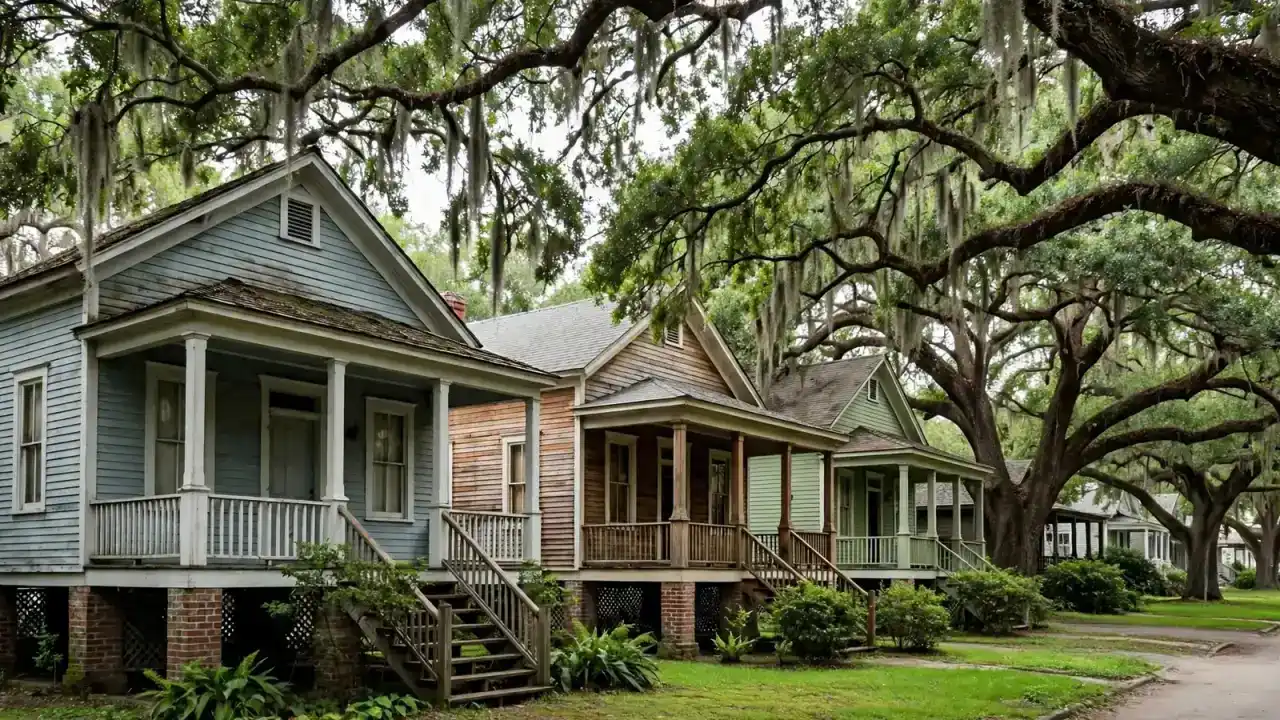
Houston Heights began in the 1890s as a planned suburb on higher ground northwest of downtown, with wide boulevards, streetcar service and lots sold for houses, churches and shops. It became its own city before joining Houston in 1918. Today it is known for its Queen Anne cottages, Craftsman bungalows and tree-lined esplanades such as Heights Boulevard.
Most older homes here are wood-frame, often with shiplap or plank walls behind later drywall, wood siding outside and original pine floors. They sit on piers above a crawlspace, which helped with drainage and airflow before air conditioning. Over the last few decades, many lots have been redeveloped with two- and three-story townhomes and large new houses on slabs, so a single block can hold a 1910s cottage and a 2020 build side by side.
Construction
Heights construction and fire
Wood-frame walls
Old-growth framing and shiplap burn and hold smoke differently from modern studs and drywall.
Pier-and-beam floors
A crawlspace below can collect smoke and firefighting water.
Original pine floors
Valued and often restorable, but they cup if soaked.
Balloon framing
Some older homes have wall cavities open from floor to attic, letting fire and smoke travel upward.
Additions and renovations
Mixed materials from different decades respond differently to cleaning.
New townhomes
Tall, narrow and on slabs, with shared walls and multiple AC zones.
Spread
How fire and smoke move in older wood homes
Older wood houses can be more vulnerable once a fire starts. Some were built with balloon framing, in which wall studs run continuously from the foundation to the roof without fire blocking at each floor. A fire that reaches a wall cavity can travel upward quickly into the attic. Firefighters know to look for this, and it often means more wall and ceiling openings after the fire.
Smoke in these homes moves up through wall cavities and into the attic, then down through ceiling gaps into other rooms. It can also go down through floor registers and gaps in the floorboards into the crawlspace. Restorers inspect both the attic and the crawlspace, and they often open walls near the fire to check for hidden charring.
Materials
What usually happens to Heights materials
| Material | Usual outcome | Notes |
|---|---|---|
| Pine floors | Cleaned and dried; may need refinishing | Dry slowly to avoid cupping |
| Shiplap behind drywall | Cleaned and sealed, or replaced if charred | Holds odor strongly |
| Wood windows | Often repaired | Valued in historic districts |
| Crawlspace insulation | Usually replaced | Absorbs smoke and water |
| Plaster | Cleaned or patched | Older plaster may contain asbestos |
| Wood siding | Cleaned, repaired or replaced to match | Historic rules may apply |
Crawlspaces
Drying a raised house
When firefighters put water on a raised house, much of it runs through the floor into the crawlspace. The ground under the house stays wet, the subfloor and joists soak, and any insulation or ductwork below gets damp. In Houston's humidity, a wet crawlspace can keep the whole house damp and lead to mold and musty odor.
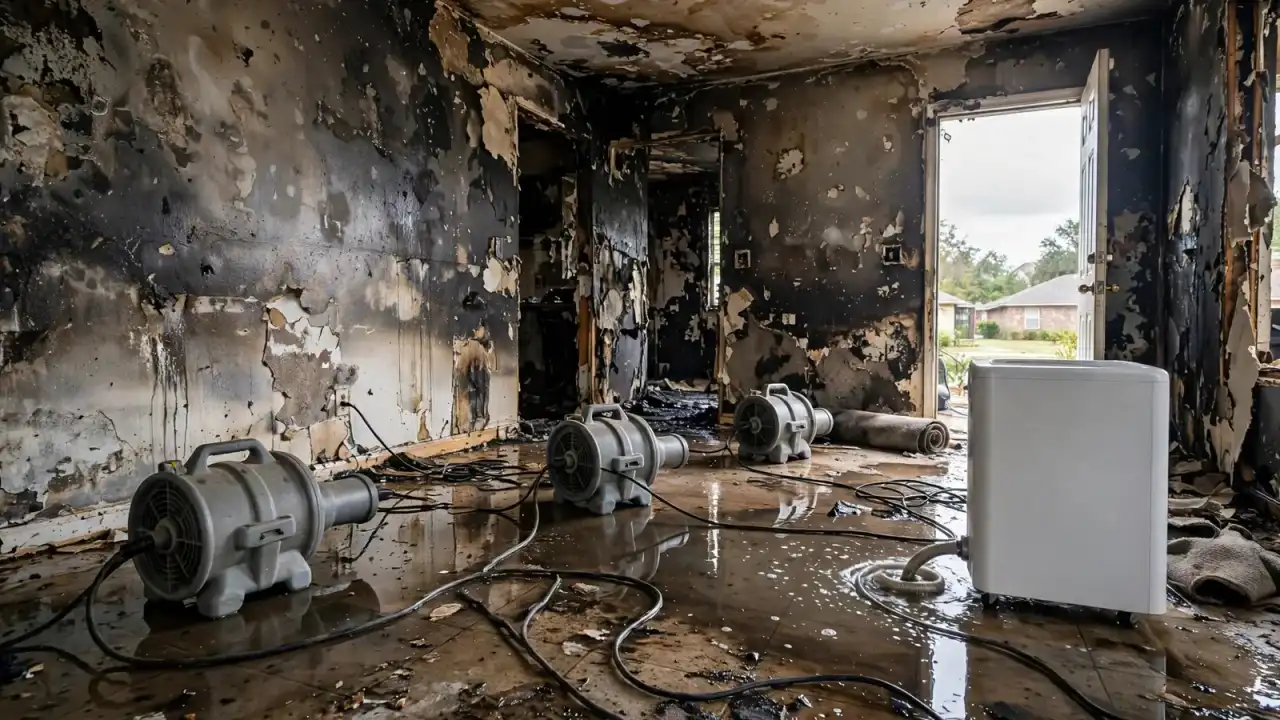
Drying usually includes pumping or extracting standing water under the house, removing wet insulation, placing dehumidifiers and air movers in the crawlspace, and checking joist and subfloor moisture until they reach dry readings. Original pine floors above are dried slowly, sometimes with floor drying mats, to reduce cupping.
Checklist
First steps after a Heights house fire
- 1
Wait for the fire department's release
Do not go in until it is safe.
- 2
Notify your insurance company
Give the date and get a claim number.
- 3
Photograph inside and out
Include the crawlspace vents, attic hatch and any historic features.
- 4
Secure the house
Board windows and doors and tarp the roof.
- 5
Start drying
Including the crawlspace.
- 6
Check historic rules
Before ordering replacement windows, doors or siding.
Preservation
Historic districts and repairs
Several parts of the Heights are designated historic districts. In those areas, changes to the street-facing exterior, such as windows, doors, siding, porches and roofs, usually need approval before work begins. Temporary board-up after a fire is generally fine, but permanent repairs should be planned with the rules in mind. Restoring original wood windows and siding where possible, rather than replacing them, often makes approval easier and keeps the home's character.
Deed restrictions also cover many Heights lots, adding rules on setbacks, height or use. Ask your contractor whether they have worked in the Heights before and how they handle approvals.
New builds
Townhomes and new construction
The Heights now has many townhomes and new houses on slabs. These behave more like other modern Houston homes: smoke rises through stairwells to upper floors, multiple AC zones each need checking, and shared walls and roofs mean a fire in one unit can affect neighbors. Townhome owners may need to coordinate with a homeowners association for shared structures. Firefighting water on upper floors runs down to lower floors, so ceilings below are often wet.
Odor
Smoke odor in old wood
Old wood absorbs smoke odor deeply. Unpainted shiplap behind drywall, attic framing and crawlspace joists can hold smell long after rooms are cleaned. Odor work in Heights homes usually includes cleaning and sealing exposed framing, replacing attic and crawlspace insulation, and treating the space with methods suited to an older house. Sealing primer on wood before new drywall goes up is common.
Neighbors
Living nearby during repairs
Heights lots are narrow and houses close together, so a fire next door can send smoke and water onto your property. Siding, windows and gutters on the side facing the fire may be stained or heat-damaged, and smoke may have entered through vents and windows.
If a neighboring home burned, photograph your side of the house, check the attic and crawlspace vents on that side, and talk to your insurer. Large equipment and dumpsters on a narrow street can also affect access, so contractors usually coordinate with neighbors.
- Check siding facing the fire
- Look into attic vents
- Photograph everything
- Talk to your insurer
- Coordinate street access
Where fires start
Kitchens, additions and the back of the house
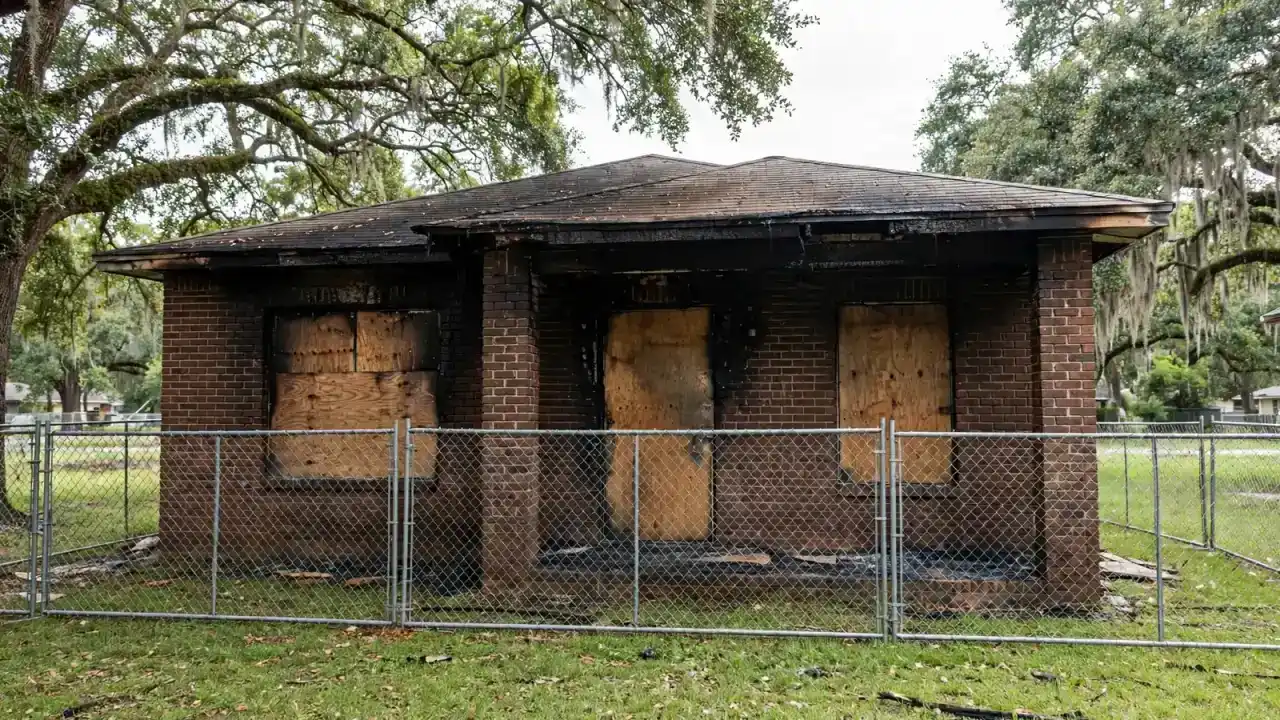
In many Heights bungalows, the kitchen and bathrooms were added or rebuilt at the back of the house over the years, sometimes as a lean-to addition with a lower roof. Cooking fires that start there can climb into the attic of the addition and then into the main roof. These rear additions often have different framing, ceiling heights and wiring from the original house, so restoration may involve a mix of methods.
Detached garages and garage apartments at the back of Heights lots, reached from alleys or driveways, are another common fire location, especially where they hold tools, paint and batteries. A fire there can send heat and smoke toward the main house and neighbors' garages across narrow side yards.
Exteriors
Porches, siding and exterior damage
Deep front porches with wood columns, railings and beadboard ceilings are part of the Heights character. Smoke and heat stain porch ceilings and siding, and firefighters may break windows or force doors at the front. Exterior work typically includes cleaning soot from siding, replacing heat-damaged boards with matching profiles, repairing porch elements and repainting. In historic districts, matching original materials and details matters for approval.
Wood siding is cleaned with gentle methods suitable for older paint, which may contain lead. Pressure washing at high settings can force water behind siding and disturb lead paint, so restorers usually use lower-pressure cleaning and lead-safe practices.
Timing
Heights restoration timeline
| Stage | What happens | Heights factor |
|---|---|---|
| Securing | Board-up and roof tarp | Protect original windows |
| Drying | House and crawlspace | Slow drying for pine floors |
| Testing | Lead and asbestos where needed | Common in older homes |
| Cleaning | Soot, smoke and odor | Shiplap and attic framing |
| Approvals | Historic and deed rules | Before exterior changes |
| Rebuild | Electrical, walls, floors, exterior | Match original details |
Insurance
Insurance for older homes
Rebuilding an older home to match its original materials and meet current codes can involve decisions your policy treats in specific ways. Some policies include ordinance or law coverage, which can help with code upgrades required during repairs. Ask your insurer early how they handle original materials such as wood windows, pine floors and siding, and keep records of the home's features before the fire if you have them. The Texas Department of Insurance explains homeowners policy types and how to file a claim.
Choosing help
What to ask a contractor in the Heights
- Have you worked on raised wood homes?Crawlspace drying and older framing need experience.
- How will you dry pine floors?Slow, measured drying reduces cupping.
- Do you follow lead-safe practices?Required for disturbing paint in pre-1978 homes above set limits.
- How do you handle historic approvals?Some contractors can help prepare submissions.
- Will you check balloon-frame wall cavities?Fire and smoke can travel inside them.
Weather
Storms, trees and raised houses
The Heights' big live oaks and pecans are part of its appeal, but they add storm risk to a fire-damaged house. Limbs weakened by heat from a fire can fall in the next high wind, and leaves and branches clog tarps and gutters. After a fire, have trees near the house checked by an arborist, especially before hurricane season. Heavy rain in Houston can also pond under raised homes if drainage is poor, keeping crawlspaces damp. Clear gutters and downspouts, and make sure water drains away from the piers.
Hurricane Beryl in 2024 brought down many trees across the Heights and left homes without power for days. A house already damaged by fire is especially vulnerable to that kind of storm, so tarps, boards and drying plans should account for it.
Causes
Common fire starters in older Heights homes
Overloaded older circuits
Window units, space heaters and modern appliances on old wiring.
Kitchen fires
Often in rear additions with lower ceilings.
Space heaters
Used in drafty older rooms on cold nights.
Garage workshops
Tools, batteries, paint and solvents in detached garages.
Candles and holiday lights
Close to wood trim and curtains.
Dryer vents
Long runs through older walls.
Belongings
Contents and heirlooms
Heights homes often hold older furniture, art, books and family heirlooms. After a fire, these deserve careful handling. Wood furniture can often be cleaned and refinished; antique pieces may need a conservator. Books and papers can be frozen if wet, then dried by a specialist. Textiles such as quilts and rugs can be cleaned by specialists who handle smoke damage. Photograph each item and keep a written list before anything is moved or thrown away.
Windows
Restoring original wood windows
Original windows are often worth keeping, especially in historic districts.
- 1
Document first
Photograph each window and note any damage.
- 2
Board carefully
Fasten boards to frames without damaging sashes.
- 3
Assess
Many sashes can be repaired even with broken glass.
- 4
Clean and repair
Strip soot, replace glass and repair wood.
- 5
Repaint
Using lead-safe practices on older paint.
Attics
Attics in older bungalows
Bungalow attics are often low and tight, with old insulation layered over newer blown insulation, knob-and-tube wiring remnants in some houses, and ductwork for a central system added decades after the house was built. When smoke enters the attic, all of these hold residue and odor. Restorers usually remove smoky insulation, clean or seal the rafters and roof decking, and inspect or replace ducts. Any old wiring found should be evaluated by a licensed electrician before the attic is closed up again.
Because bungalow ceilings are often plaster or older drywall attached directly to joists, heavy wet insulation can bring them down. Stay out of rooms where ceilings sag after a fire.
Commercial edges
Restaurants and shops on 19th Street and Yale
The Heights has busy commercial strips on streets such as 19th Street, Yale and White Oak, with restaurants, bars and shops close to homes. A commercial kitchen fire can send grease smoke into nearby houses through attic vents and open windows. If a fire happens at a nearby business, check your attic and vents, replace AC filters and photograph any residue for your insurer.
Summary
Heights fire damage at a glance
| Topic | What to know |
|---|---|
| Foundation | Pier-and-beam; crawlspace needs drying |
| Framing | Older wood; check wall cavities |
| Floors | Original pine; dry slowly |
| Wiring | Mixed ages; inspect before power |
| Paint | Possible lead in pre-1978 homes |
| Exterior changes | Historic and deed rules may apply |
Flooding
Bayou-side streets and flood history
The southern edge of the Heights runs toward White Oak Bayou, and parts of the neighborhood have flooded in heavy storms, including during Hurricane Harvey in 2017. Homes that flooded before may have had walls, insulation and floors replaced, sometimes with mixed materials. After a fire, knowing a home's flood history helps restorers understand what is behind walls and under floors. If your home flooded before, tell the contractor and your insurer, and keep records of earlier repairs.
Temporary housing
Living elsewhere during repairs
Heights fires that involve the attic, crawlspace or wall cavities often take weeks of drying, cleaning and repairs, and families usually stay elsewhere. Many homeowners and renters policies include additional living expenses while a home cannot be lived in. Keep receipts for hotels, rentals, meals above normal and extra mileage. Ask your insurer about limits before booking anything long-term.
Terrain
Why the Heights sits higher
The neighborhood's name comes from its elevation: it sits on ground about 23 feet higher than downtown Houston, which was a selling point when it was founded. That higher ground and the raised pier foundations helped many homes stay drier in floods than lower areas, although streets near the bayous have still flooded. For fire restoration, the raised design means there is almost always a crawlspace to consider.
Neighborhood life
Schools, parks and the hike-and-bike trail
Families in the Heights rely on nearby schools, parks and the Heights Hike and Bike Trail along the old rail line. When a family is displaced by a fire, staying close to school and work matters. Ask your insurer whether short-term rentals nearby are covered under additional living expenses, and let your children's school know about the fire so they can offer support.
FAQ
Houston Heights fire damage questions
Can my original pine floors be saved after a fire?
Often, if dried slowly and refinished once readings show they are dry.
Does a raised house need crawlspace drying?
Usually. Water and smoke reach the crawlspace through the floor.
Do I need approval to replace windows in a Heights historic district?
Usually for permanent changes to street-facing features. Check before ordering.
Is my old wiring safe after the fire?
Have a licensed electrician inspect it before power is restored.
Why does smoke smell come from under the floor?
The crawlspace may hold smoky insulation or residue on joists.
Can a fire next door damage my house?
Yes, through heat on siding and smoke through vents and windows.
Do townhomes have different restoration needs?
They have stairwells, multiple AC zones and shared walls that change the work.
Should I test for lead paint?
In homes built before 1978, yes, before sanding or scraping.
Will my policy pay to match original materials?
It depends on the policy. Ask early and keep photos of original features.
Can my porch be restored after smoke damage?
Usually, by cleaning, replacing damaged boards to match and repainting.
Should I have my oak tree checked after a house fire?
Yes. Heat can weaken limbs, which may fall in the next storm.
Can antique furniture be restored after smoke?
Often. Wood pieces can be cleaned and refinished; valuable items may need a conservator.
Can my plaster ceiling be saved after a fire?
Sometimes, if not soaked or cracked. Sagging ceilings usually need replacement.
Does knob-and-tube wiring need replacing after a fire?
Have a licensed electrician evaluate it; heat and water make old wiring riskier.
Does flood history matter after a fire?
Yes. Earlier repairs change what is behind walls and under floors. Tell the contractor.
Why is it called the Heights?
It sits on ground higher than downtown Houston, which was a selling point when it was founded.
Can I stay in my house during crawlspace drying?
Sometimes, if the rooms above are safe and clean. Equipment is noisy and runs around the clock.