
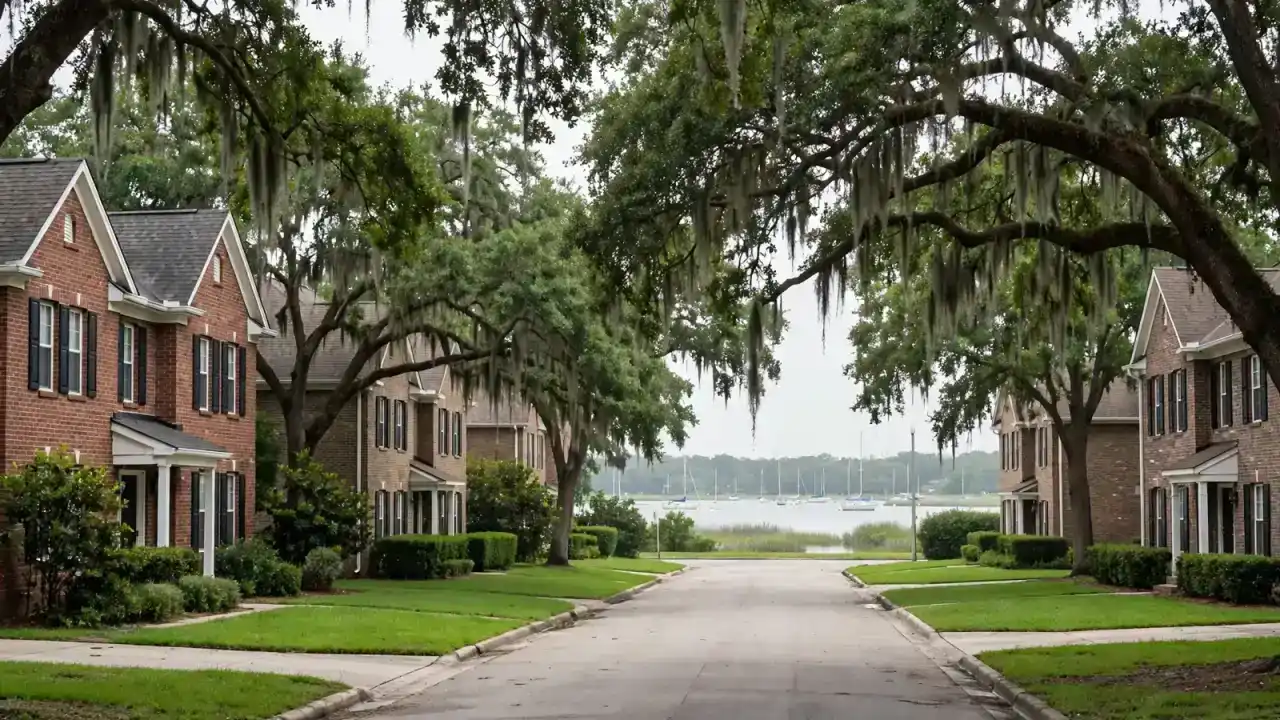
Key facts: Clear Lake
- Clear Lake City was developed in the 1960s near NASA's Johnson Space Center [1].
- The area lies near Clear Lake and Galveston Bay and was hit hard by Hurricane Ike in 2008 [2].
- Many homes are two-story brick houses built from the 1960s to the 1990s.
- Houston's hurricane season runs from June through November [3].
- The covered ZIP codes for Clear Lake on this site are 77058, 77059 and 77062.
Coverage
Clear Lake ZIP codes on this line
Calls from these Clear Lake ZIP codes can reach an independent restoration contractor who works there.
- 77058Areas near NASA Parkway, the Johnson Space Center and the lake.
- 77059Neighborhoods in the western and southern parts of Clear Lake City.
- 77062Established neighborhoods north of Clear Lake City's center.
About Clear Lake
A community built around space flight
Clear Lake City was planned in the early 1960s, shortly after NASA chose the area for its Manned Spacecraft Center, now the Johnson Space Center. Engineers, scientists and families moved in, and subdivisions spread across former ranch land between the space center and the lake. Today the area includes Clear Lake City and neighboring communities, with Space Center Houston drawing visitors and marinas lining the lake.
Homes here are mostly suburban: brick-veneer houses from the 1960s through the 1990s, many two stories, plus townhomes, apartments and newer houses. Most sit on concrete slabs. Mature trees, cul-de-sacs and neighborhood pools are typical.
Construction
Clear Lake homes and fire
Two-story brick-veneer houses
Smoke rises through stairwells to upstairs bedrooms.
Slab foundations
Water from firefighting sits under flooring.
Attics with HVAC
Air handlers and ducts often in the attic.
Townhomes
Shared walls and roofs.
Waterfront homes
More wind and salt exposure.
Homes rebuilt after Ike
Mixed newer and older materials.
Storm exposure
Hurricanes and a fire-damaged house
Clear Lake is closer to Galveston Bay than most of Houston, and storms hit it harder. Hurricane Ike in 2008 brought storm surge and wind damage to the area, and later storms, including Harvey and Beryl, brought flooding and outages. For a home already damaged by fire, a tropical storm can add wind-driven rain, flying debris and further roof damage.
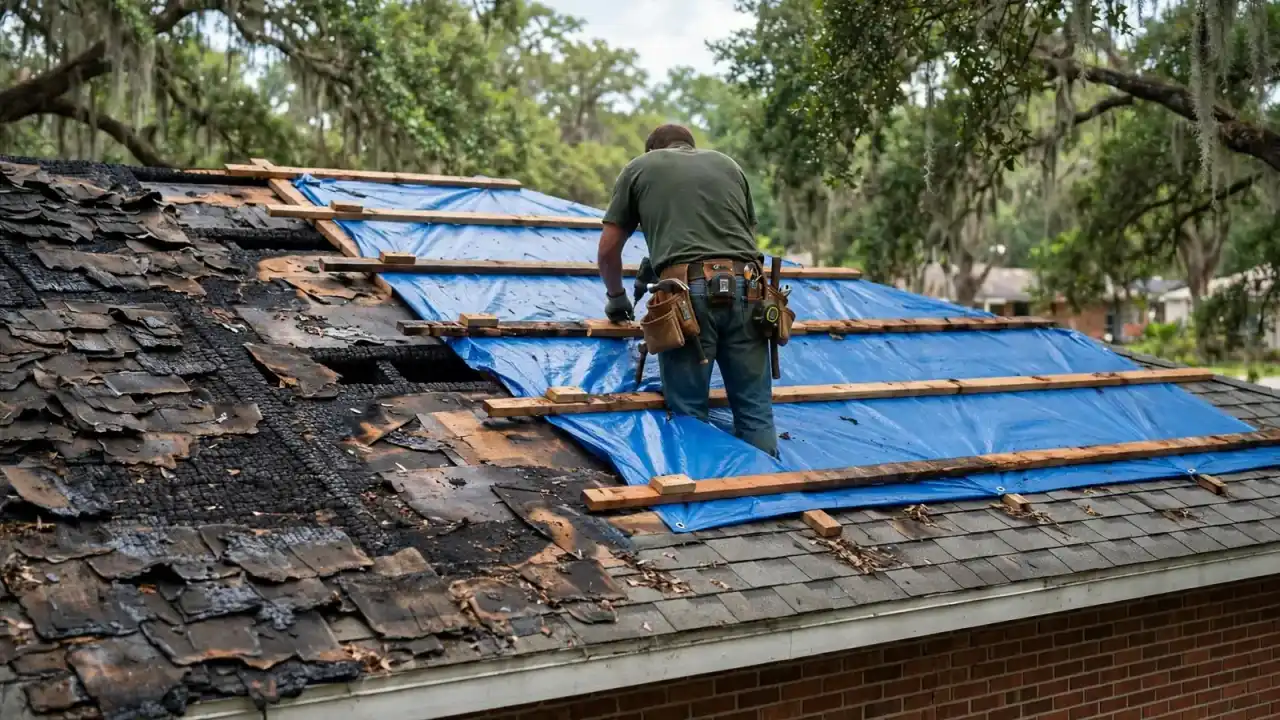
Board-up and tarping in Clear Lake should be done with storm conditions in mind: boards fastened through frames with bolts, tarps over battens extended well past damage and over the ridge, and loose debris cleared from the yard. If a storm is forecast, ask the contractor to check every cover before it arrives.
Storm prep
Storm-season checklist for a damaged home
| Step | Why |
|---|---|
| Check boards and tarps | Wind tests every fastener |
| Clear yard debris | Loose items become projectiles |
| Move contents away from openings | Rain can drive past covers |
| Photograph condition | Separates storm damage from fire damage |
| Plan where you will stay | Outages may follow |
Upstairs
Two-story homes and upstairs smoke
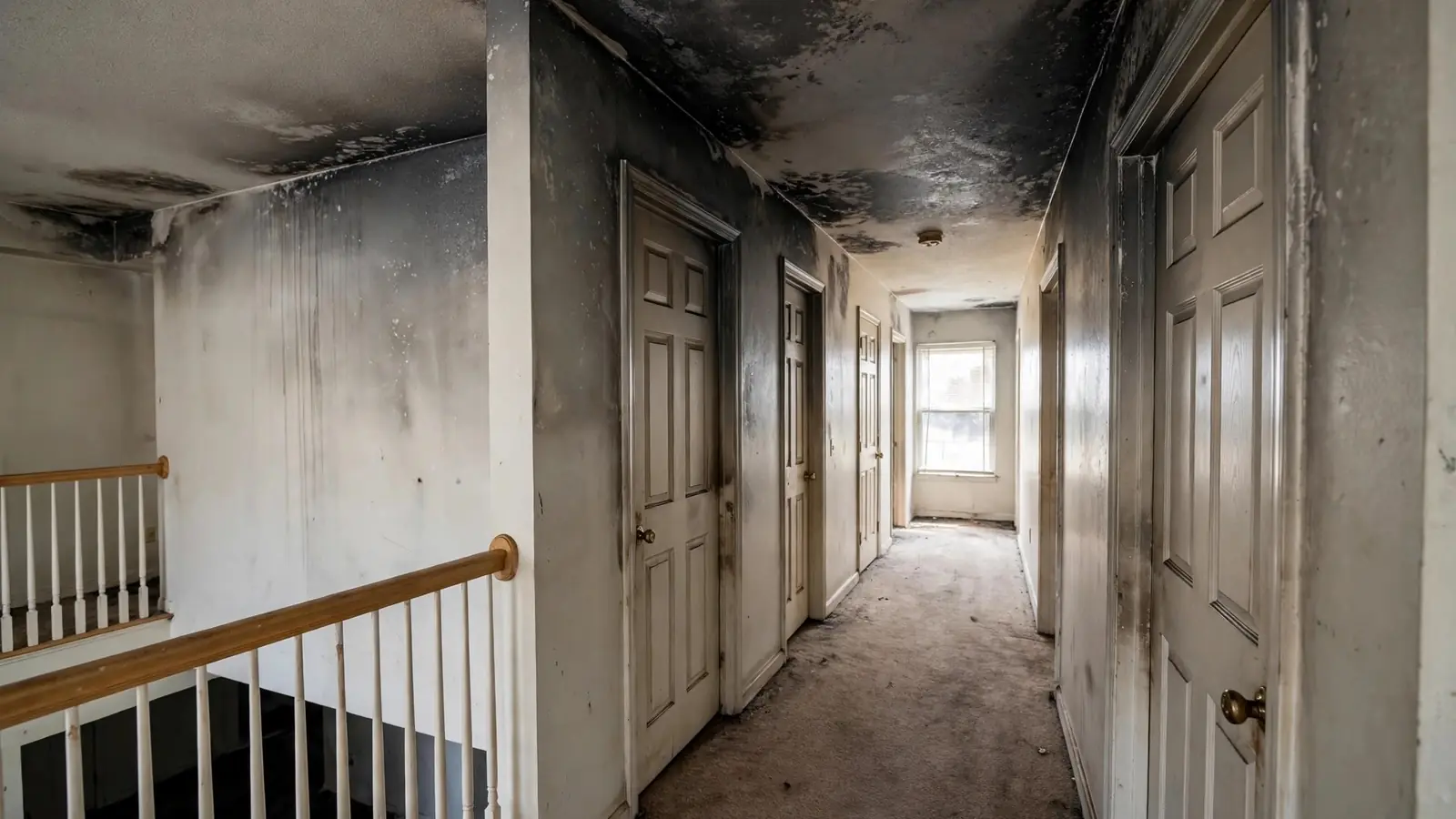
In a two-story house, smoke from a ground-floor kitchen or garage fire rises up the stairwell and fills the upper floor. Bedrooms, closets and the attic above often carry heavier residue than the room where the fire started. Many Clear Lake homes have a separate upstairs AC system in the attic, which can pull smoke in and spread it. Cleaning starts upstairs, includes the stairwell and both AC systems, and checks the attic insulation.
Drying
Water and drying near the coast
Clear Lake is humid, and drying after firefighting takes active equipment. Most homes sit on slabs, so water runs under flooring and into the bottom of walls. Laminate and vinyl plank flooring may trap water beneath; carpet pad soaks quickly. Moisture mapping, removal of what cannot dry and dehumidification are standard. Waterfront homes may have extra moisture from the surroundings, so dry goals are measured against unaffected parts of the same house.
Checklist
First steps after a Clear Lake fire
- 1
Wait for firefighters to clear it
Do not enter before they say so.
- 2
Report to your insurer
Note any windstorm policy separately.
- 3
Secure the house against weather
Especially during hurricane season.
- 4
Begin drying
Extraction and dehumidifiers.
- 5
Check upstairs and the attic
Smoke rises to upper floors.
- 6
Keep records
Photos, receipts and contractor notes.
Insurance
Windstorm insurance and fire claims
Some homeowners near the Texas coast carry separate windstorm coverage, or have a wind deductible that differs from the rest of the policy. If a storm damages a house that is already fire-damaged, more than one coverage or deductible may apply. Keep careful records of the home's condition before and after any storm, and ask each insurer what they need. The Texas Department of Insurance explains coastal and homeowners coverage. [4]
Community
Living near NASA and the lake
Clear Lake's community includes many long-time NASA and aerospace families, as well as newer residents working at the port, hospitals and petrochemical plants nearby. Neighborhood associations are active and often help after disasters.
If you are displaced, staying near schools and work helps. Ask your insurer about additional living expenses and keep receipts. Let your HOA know about the fire if it manages shared areas or exterior rules.
- Tell your HOA
- Keep receipts
- Stay near school and work
- Ask neighbors for help
- Plan for storms
Garages
Garages, boats and workshops
Many Clear Lake households keep boats, trailers, kayaks and fishing gear, along with tools and fuel, in attached garages. Boat batteries, outboard fuel, marine paints and solvents are all fire hazards and produce heavy, oily smoke if they burn. A garage fire can push that smoke through the connecting door, attic and any return air near the garage. Store fuel in approved containers away from the house where possible, and charge batteries on a hard surface with the correct charger.
Multifamily
Apartments and townhomes near the space center
Clear Lake also has many apartment complexes and townhome communities, especially along major roads such as Bay Area Boulevard and El Camino Real. In these buildings, smoke and water from one unit often reach others through shared attics and walls. Tenants should photograph damage, report it in writing to management and contact their renters insurer. Our renters guide sets out what to do.
Timing
Clear Lake restoration timeline
| Stage | What happens |
|---|---|
| First day | Securing, utilities checked, photos |
| Days 1 to 5 | Extraction and drying downstairs; check upstairs ceilings |
| Week 1 to 2 | Cleaning from the top floor down; both AC systems |
| Weeks 2 to 3 | Odor treatment and sealing |
| Following weeks | Repairs, flooring, paint |
Causes
Common fire starters in Clear Lake homes
Kitchen fires
Most common nationally.
Garage fires
Boats, fuel, batteries and tools.
Dryer vents
Long runs in two-story homes with upstairs laundry.
Generators
Run too close to the house during outages.
Grills and outdoor kitchens
Close to patios and eaves.
Lightning
Gulf storms bring frequent lightning.
Lightning
Lightning and attic fires
Thunderstorms near the coast bring frequent lightning, and strikes can start attic fires or damage electrical systems. A lightning fire may smolder in the attic before anyone notices, spreading smoke into upstairs rooms. If lightning strikes your home or nearby and you smell burning, get everyone out and call 911; firefighters can check the attic with thermal cameras. Afterwards, have a licensed electrician inspect the wiring and appliances.
Laundry
Upstairs laundry rooms and dryer fires
Many newer two-story homes in the area have laundry rooms upstairs, with dryer vents running through the attic to the roof. These long vent runs collect lint and are hard to see. A dryer fire upstairs can spread smoke through bedrooms and into the attic quickly, and firefighting water may come down through ceilings. Our guide to dryer vent fires covers warning signs and prevention.
Choosing help
What to ask a contractor in Clear Lake
- How will you secure the house for storms?Bolted boards and battened tarps.
- Will you check both AC systems?Upstairs and downstairs systems.
- How will you deal with salt corrosion?Prompt cleaning of metal parts.
- Do you photograph conditions before storms?Helps separate fire and storm damage.
- Have you worked on two-story homes?Upstairs smoke and wet ceilings need experience.
Waterfront
Waterfront and marina homes
Homes along Clear Lake, Taylor Lake and the channels toward the bay often have docks, boathouses and large rear windows facing the water. Wind off the water drives rain against the back of the house, so openings on that side need especially strong boarding. Docks and boathouses near a fire may have heat damage and should be checked before use. Smoke can also reach boats moored nearby, and their cleaning is usually a matter for marine insurance and specialists.
Older homes
Older 1960s and 1970s homes
The earliest Clear Lake subdivisions date from the 1960s, and their houses may have original features: acoustic ceilings, older floor tiles, aluminum windows and original wiring in parts of the house. Some of these materials may contain asbestos, and paint may contain lead. Testing before demolition is wise. Aluminum windows are usually boarded with interior bracing to avoid bending frames.
Upstairs
Cleaning upstairs first
Working from the top down keeps cleaned areas clean.
- 1
Protect the stairs
Cover treads and rails before work begins.
- 2
Start with the top floor ceilings
Heaviest residue collects there.
- 3
Clean closets and bedrooms
Fabrics hold odor.
- 4
Clean the stairwell
Walls and ceilings carry smoke from below.
- 5
Move downstairs
Finish with the room where the fire started.
Community
Space Center and community resources
Clear Lake has active civic associations, churches and community groups that help families after disasters. The American Red Cross can help with immediate needs after a home fire. If your family is displaced, let your children's school know, as schools in the area often have support for families in crisis.
Ike
After Hurricane Ike: what changed
Hurricane Ike made landfall at Galveston in September 2008 and pushed storm surge into Galveston Bay and the communities around Clear Lake, damaging homes, marinas and businesses. Many houses near the water were repaired or rebuilt, sometimes raised, and building standards in coastal areas have tightened over time. For a fire-damaged home today, this history means there may be mixed materials, raised sections and storm-rated windows or doors, each of which affects restoration choices.
Industrial neighbors
Petrochemical plants and outside smoke
Clear Lake is not far from industrial areas in Pasadena, La Porte and along the Ship Channel. Industrial fires there can occasionally send smoke toward the Bay Area. Follow official shelter-in-place instructions, close windows, set AC to recirculate and replace filters afterwards. Our guide to smoke from industrial fires has more detail.
Summary
Clear Lake fire damage at a glance
| Topic | What to know |
|---|---|
| Housing | Mostly two-story brick homes on slabs, plus townhomes and apartments |
| Storms | Board and tarp for bay winds; check before storms |
| Upstairs | Smoke collects there; two AC systems |
| Salt air | Clean metal fittings promptly |
| Insurance | Fire and wind coverage may differ |
| Neighbors | HOAs and civic groups often help |
Outdoors
Pools, patios and outdoor kitchens
Backyard pools, covered patios and outdoor kitchens are common in Clear Lake. Ash and debris from a house fire can land in pools and clog filters; pool water may need cleaning and the filter serviced. Outdoor kitchens and grills placed close to eaves and patio covers can start fires that spread to the roof. Keep grills a safe distance from the house, clean grease regularly and never leave a lit grill unattended.
AC checks
Signs smoke reached the upstairs AC system
- Gray rings around ceiling vents upstairsSmoke passed through the ducts.
- Smell when the system startsResidue in the coil or ducts.
- Dark filterCaptured soot from the fire.
- Odor in the attic near the air handlerSmoke entered the return.
Returning
Moving back in after restoration
Before you move back in, walk through every room on both floors. Open closets and cabinets, sniff the AC vents a few minutes after the system starts, check the attic hatch area and wipe a high surface such as a door frame. Ask the contractor for a summary of what was cleaned, removed, sealed and replaced, along with moisture readings from drying. Keep this file with your insurance paperwork. If anything smells of smoke on a warm, humid day after you return, report it promptly.
In short
Short summary for Clear Lake owners
Secure the house strongly, especially in storm season. Expect upstairs rooms and the upstairs AC to need the most cleaning. Dry floors quickly in the humid air. Watch metal fittings for corrosion near the bay. Keep fire and storm damage records separate, and use your neighborhood networks for support.
Neighborhoods
Clear Lake neighborhoods and housing
- Clear Lake CityThe original planned community, with 1960s to 1980s homes.
- Lakefront streetsLarger homes with docks and water views.
- Bay Area Boulevard corridorApartments, townhomes and shopping.
- Areas near NASA ParkwayMix of older homes, apartments and businesses.
- Newer subdivisionsTwo-story homes from the 1990s and later.
Daily life
Hospitals, the port and shift workers
Many Clear Lake residents work shifts at hospitals, the Port of Houston, NASA contractors and nearby plants. After a fire, coordinating insurance calls, contractor visits and temporary housing around shift schedules can be hard. Ask the contractor to agree a regular update time, share photos of progress by message, and give a key or lockbox access so work can continue while you are at work. Keep a single folder, paper or digital, with every document related to the fire.
Kitchen fires
Kitchens in two-story homes
In many Clear Lake two-story plans, the kitchen opens to a family room with a high ceiling and an upstairs landing or game room overlooking it. Smoke from a stovetop fire rises straight into that open volume and across the upper floor. Cleaning high ceilings and walls in these rooms needs scaffolding or tall ladders, and ceiling fans, light fixtures and the tops of cabinets carry heavy residue. Range hoods vented to the outside help during cooking, but a fire can still spread grease smoke widely.
Small fires
When the fire is small
Not every fire needs a large crew. A small stovetop fire caught quickly may leave light smoke in the kitchen and family room, a smell upstairs and a dirty AC filter. Even then, smoke residue is acidic and odor can linger in fabrics and ducts, so a professional assessment helps decide what needs cleaning. Replace the AC filter, ventilate on a clear day and avoid scented sprays while you wait.
FAQ
Clear Lake fire damage questions
Will boards and tarps hold up in a hurricane?
Properly fastened covers are much stronger, but check them before and after every storm.
Why is upstairs more smoky than downstairs?
Smoke rises through the stairwell and settles on upper floors.
Do I need two insurance claims if a storm hits after the fire?
Possibly: one for fire and one for wind. Keep records of each event.
Does salt air make smoke damage worse?
It can speed corrosion of metal parts already exposed to acidic residue.
How long does drying take near the bay?
Usually several days; humidity can lengthen it.
Should both AC systems be checked?
Yes, especially the upstairs system in the attic.
Can I rely on my HOA for repairs?
Only for areas your documents assign to it.
What if my house flooded during Ike or Harvey?
Tell your contractor; earlier repairs affect what is behind walls.
Can lightning start a house fire?
Yes, often in the attic. Call 911 if you smell burning after a strike.
Why do upstairs laundry fires cause so much damage?
Smoke spreads quickly through bedrooms and the attic, and water comes down through ceilings.
Can aluminum windows be boarded without damage?
Yes, usually with interior bracing so the frames do not bend.
Should my dock be checked after a house fire?
Yes. Heat can damage nearby wood and fittings.
Can ash from a fire harm my pool?
It can clog filters and cloud water. Clean the pool and service the filter.
Does Ike-era rebuilding affect fire repairs?
It may mean mixed materials or raised sections. Tell your contractor about past repairs.
What is worth checking before we return home?
Every room on both floors, closets, AC vents, the attic hatch area and a written summary of work done.
Should fire and storm damage be documented separately?
Yes. It helps when different coverages or deductibles apply.
Can work continue while I am at work?
Usually, with agreed access such as a lockbox and regular updates from the contractor.
Does my HOA have a say in exterior repairs?
Often. Check its rules before changing visible materials or colors.
Do small kitchen fires need professional cleaning?
Often a light cleaning and an AC filter change are enough, but an assessment helps confirm what was affected.
Can ceiling fans be cleaned after smoke?
Usually. Blades and housings are cleaned; motors are checked if heat reached them.